










Aborto de Repetición y Endometriosis
“Tailored strategy for embryo arrest, endometriosis and low ovarian reserve”
Abstract
A 37-year-old female patient presenting with infertility of 1 year and 10 months’ duration, with a history of three biochemical pregnancies and several courses of in vitro fertilisation (IVF) without successful embryo retrieval.
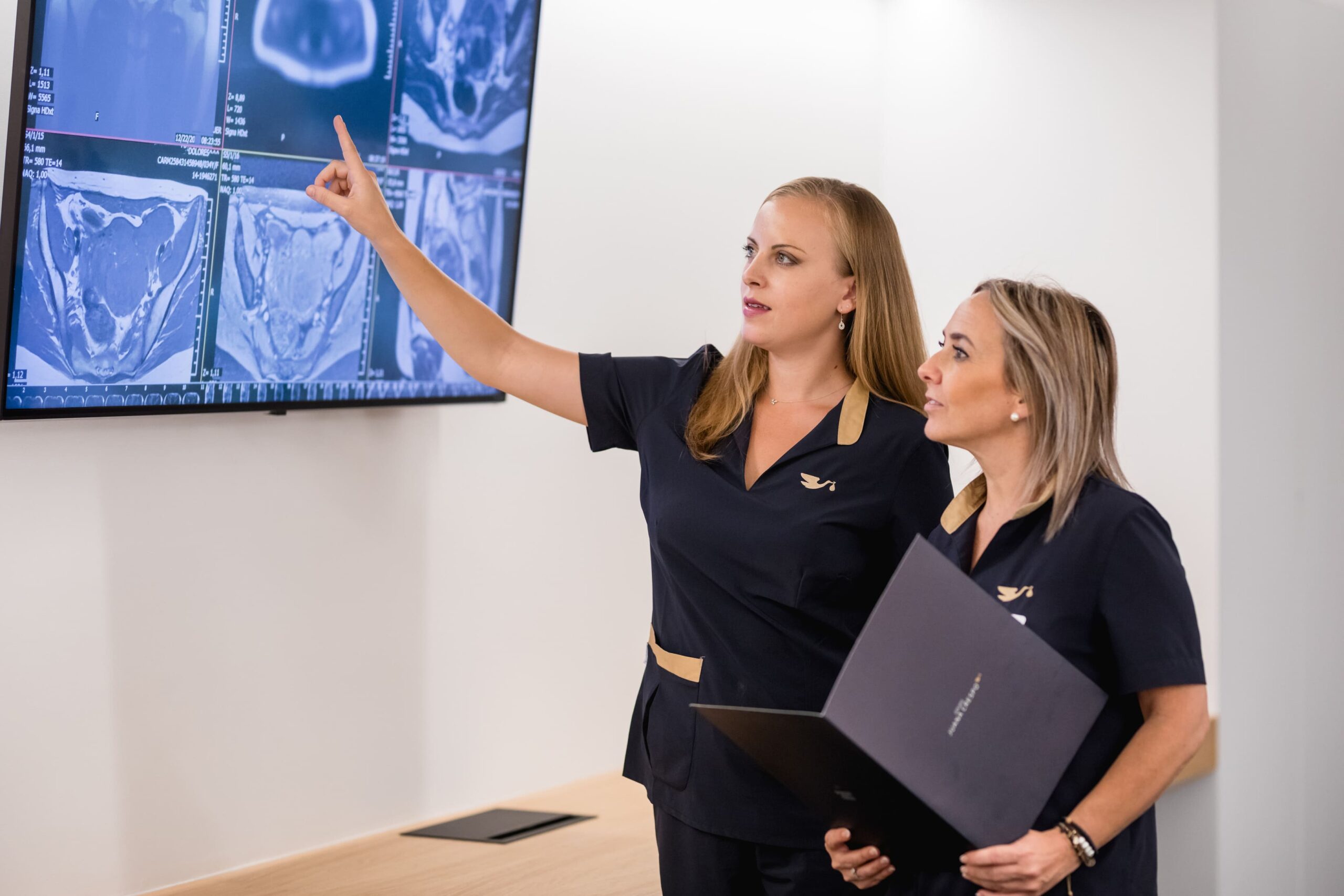
Her gynaecological history includes bilateral pelvic endometriosis with ovarian endometriomas and adenomyosis, associated with complex pelvic anatomy due to severe adhesions.
Assessment of ovarian reserve showed an anti-Müllerian hormone (AMH) level of 0.897 ng/mL in January 2025.
Previous IVF cycles with embryo arrest
The clinical challenge was to devise a strategy that would enable the production of good-quality embryos. In the last two IVF cycles carried out at another centre, the outcome had been the same: embryo arrest and no blastocysts.
These results warranted a reassessment of the strategy, without attributing the failure to a single cause. Age, the ovarian reserve and endometriosis could all form part of the clinical picture.
Change of strategy: taking action before restimulation
In view of the repeated unfavourable results, it was decided to modify the approach. The priority became optimising ovarian conditions before undertaking a new stimulation cycle, rather than automatically repeating the same treatment regimen.
Endometrioma sclerotherapy and ovarian revitalisation and exosomes
The patient presented with bilateral endometriomas and, in addition, a low ovarian reserve, which necessitated extreme caution before considering surgical interventions on the ovaries.
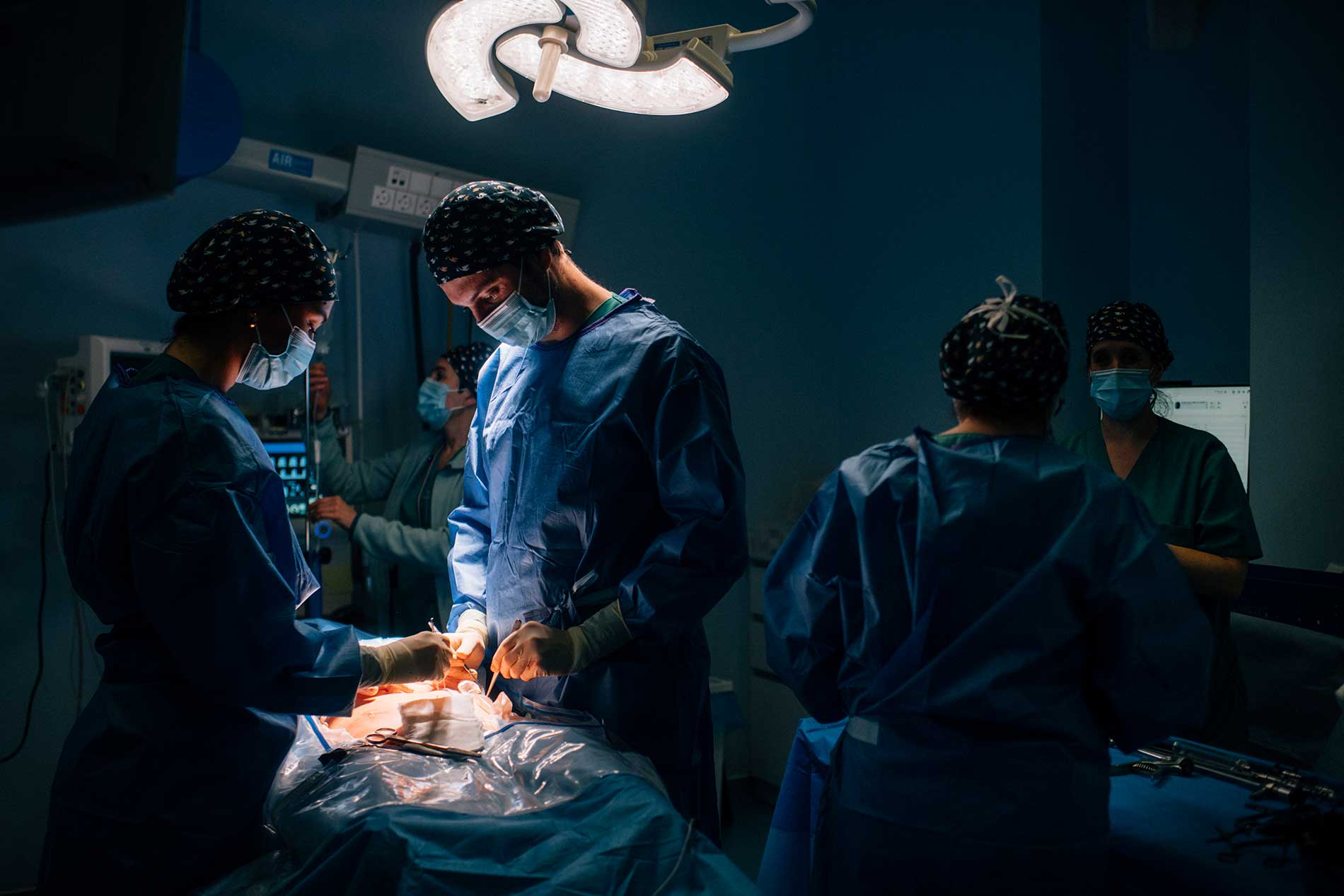
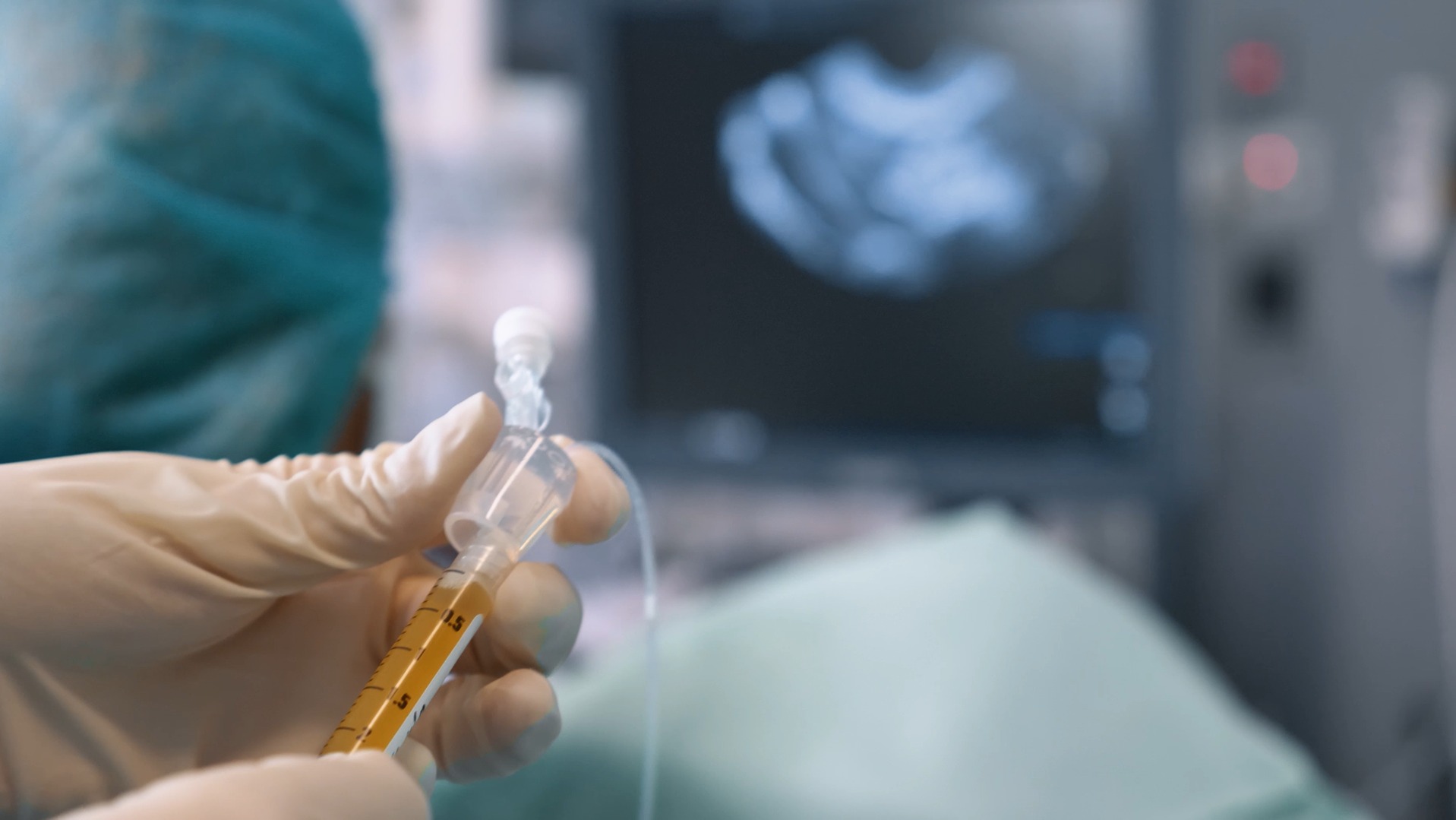
Consequently, a conservative approach to the endometriomas was initially chosen, involving sclerotherapy, combined with ovarian Revitalize treatment using platelet-rich plasma (PRP) and exosomes.
The aim of this approach was to address the ovarian condition and preserve as much follicular potential as possible before resuming stimulation.
Individualised ovarian stimulation with letrozole: tailoring treatment to the response
Following the ovarian procedure, contraception was prescribed for 2 weeks and the situation was reassessed before starting a new cycle.
First personalised cycle (June 2026)
In June 2026, individualised stimulation was initiated using a personalised protocol comprising letrozole (Femara), recombinant FSH (folitropin alfa, Gonal-f 300 IU) and LH stimulation via menotropins (Meriofert 75 IU), with the course of treatment adjusted based on hormonal and ultrasound monitoring.
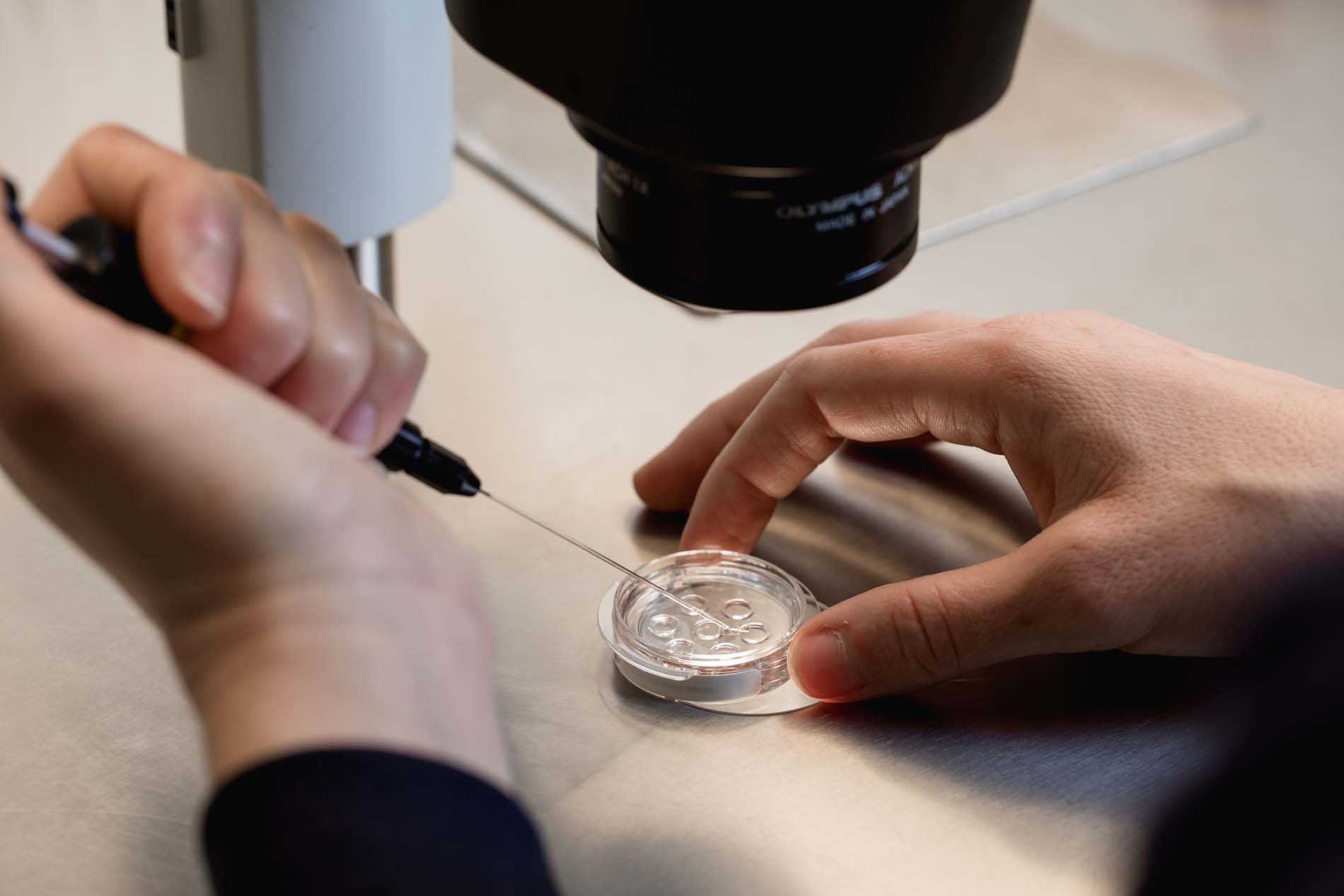
In this first cycle, five oocytes were retrieved, four of which were mature, and all four were fertilised via ICSI (intracytoplasmic sperm injection).
Embryonic development allowed for the vitrification of two embryos on day 3, both eight-cell embryos of grade A, and one day-6 blastocyst, classified as BEbb. This result represents a significant improvement on the two previous cycles, which had ended in complete arrest prior to the blastocyst stage.
Second personalised cycle (September 2026): consolidating the strategy
With the aim of increasing the number of embryos available prior to pelvic surgery, it was decided to undertake a further stimulation cycle.
In September 2026, the personalised protocol using letrozole, Gonal-f and Meriofert was repeated, adjusted in line with hormonal and ultrasound monitoring. The follicular response allowed the ovarian puncture to be scheduled.
Six oocytes were retrieved, five of which were mature. All five were fertilised via ICSI and developed into embryos up to day 3. At this stage, favourable development was observed, with intermediate-quality embryos, and three day-5 blastocysts—classified as BEbb, BEibb and BEb-b—were ultimately vitrified.
For the first time, and following a history of embryonic arrest, the patient achieved a cohort of three vitrifiable blastocysts in a single cycle.
Results: embryonic development cycle by cycle
A comparison of the results reflects a clinically significant change in embryonic development:
|
Indicator |
External IVF(×2) |
First personalised cycle (June 2026) |
Second personalised cycle (September 2026) |
| Retrieved oocytes | — | 5 | 6 |
| Mature oocytes (MII) | — | 4 | 5 |
| Fertilised by ICSI | — | 4 (100 % of the MII) | 5 (100 % of the MII) |
| Vitrified day-3 embryos | 0 | 2 (8 cells, grade A) | — |
| Vitrified blastocysts | 0 | 1 (day 6, BEbb) | 3 (day 5: BEbb, BEibb y BEb-b) |
Total following the individualised strategy: 4 blastocysts and 2 Day 3 embryos vitrified.
This is an individual case and an embryological outcome; it should therefore not be interpreted as a guarantee of clinical outcome in other patients.
Conclusion
This case illustrates the importance of reassessing the reproductive approach when several IVF cycles show a repeated pattern of embryonic arrest. In this patient, the combination of bilateral endometriosis, reduced ovarian reserve and a previous unfavourable reproductive response required an individualised plan, with particular attention to the preservation of reproductive capacity.
Following two previous cycles without satisfactory embryonic development to the blastocyst stage, the two cycles carried out using a personalised protocol—following sclerotherapy and ovarian Revitalize treatment—resulted in a total of four vitrified blastocysts: one on day 6 in the first personalised cycle and three on day 5 in the second. In addition, two day-3 embryos were preserved from the first personalised cycle.
This case reinforces a fundamental principle of reproductive medicine: when embryonic development is repeatedly unfavourable, the response is not always to persist with the same treatment, but rather to review the clinical context as a whole, tailor decisions to the individual, and establish a treatment sequence consistent with each patient’s reproductive goal.


