












What is
implantation failure?
In reproductive medicine, we refer to implantation failure when pregnancy is not achieved after three transfers of good-quality euploid embryos.

In reproductive medicine, we refer to implantation failure when pregnancy is not achieved after three transfers of good-quality euploid embryos.

Implantation failure
vs. Recurrent miscarriage
This should not be confused with recurrent miscarriage. Both result in the failure to achieve a viable pregnancy, but unlike the former, when we speak of miscarriage we refer to the spontaneous loss of two or more pregnancies before the 20th week of gestation, according to the ASRM, or the 22nd week according to the ESHRE.
Both implantation failures and recurrent miscarriages require a comprehensive, multidisciplinary assessment to determine their causes and propose personalised solutions.
Why might embryo
implantation fail?
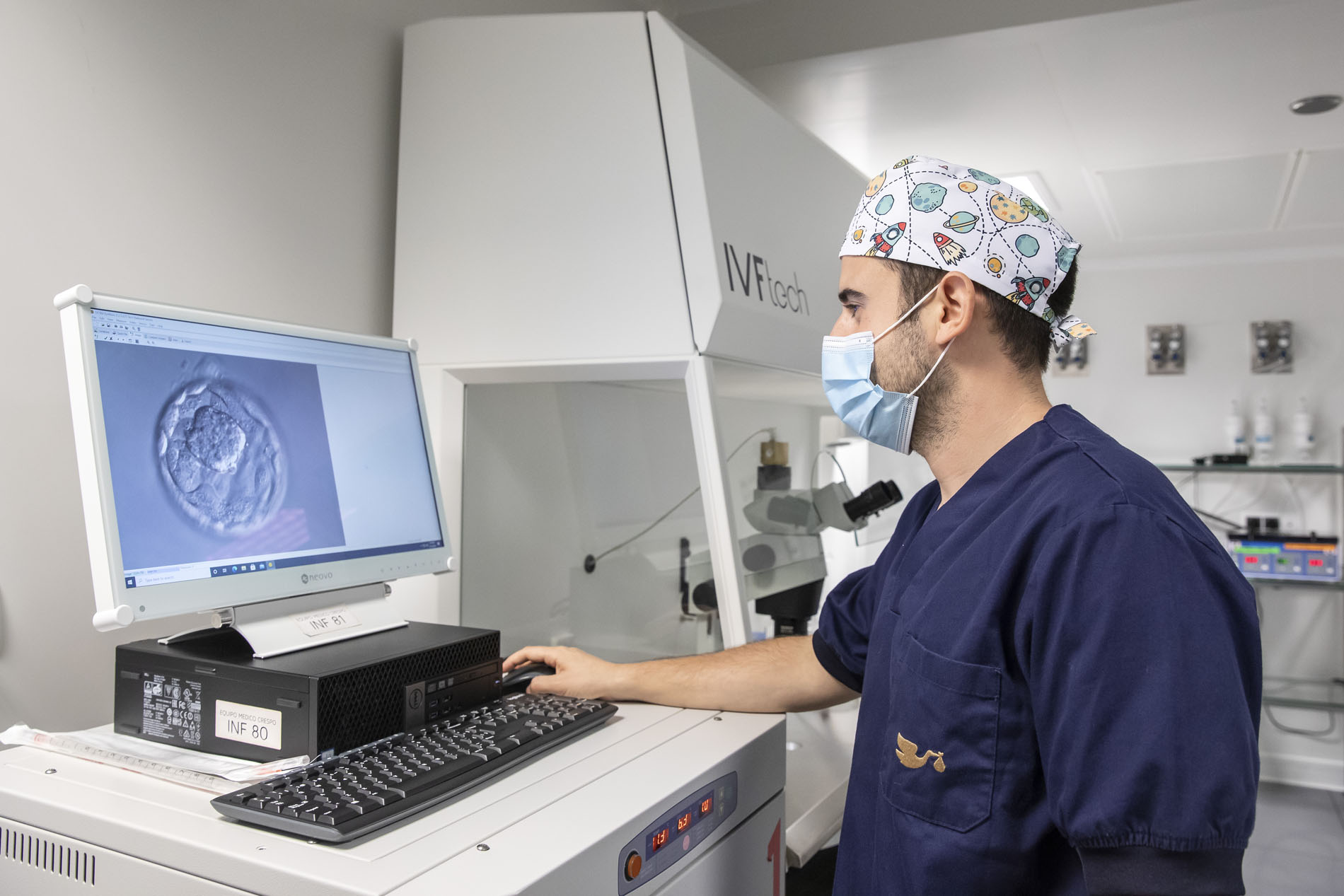
Most implantation failures are linked to chromosomal abnormalities in the embryo, particularly in older women.
Abnormalities in the uterine cavity affect endometrial receptivity and, consequently, may be responsible for implantation failure. Some of the most common uterine abnormalities include polyps, fibroids, adenomyosis, scarring from previous surgery, or intrauterine adhesions following curettage or hysteroscopy.
Tubal pathologies such as hydrosalpinx, haematosalpinx, damage from a previous ectopic pregnancy, or the persistence of stumps following bilateral tubal surgery… may also be the cause of implantation failure.
The cervix is the canal through which embryos are introduced during a transfer; inflammatory conditions of the cervix, severely curved openings or stenosis may be the reason for a failed transfer.
Immunological disorders or a predisposition to form clots may also affect implantation or embryonic development. Patients with autoimmune diseases undergoing biological treatments must be closely monitored to assess their role in implantation failure.
Hormonal or metabolic disorders (e.g. thyroid problems, diabetes, obesity) can reduce the chances of implantation and increase the risk of miscarriage.

Diagnosis: how we
identify the cause
of the failure
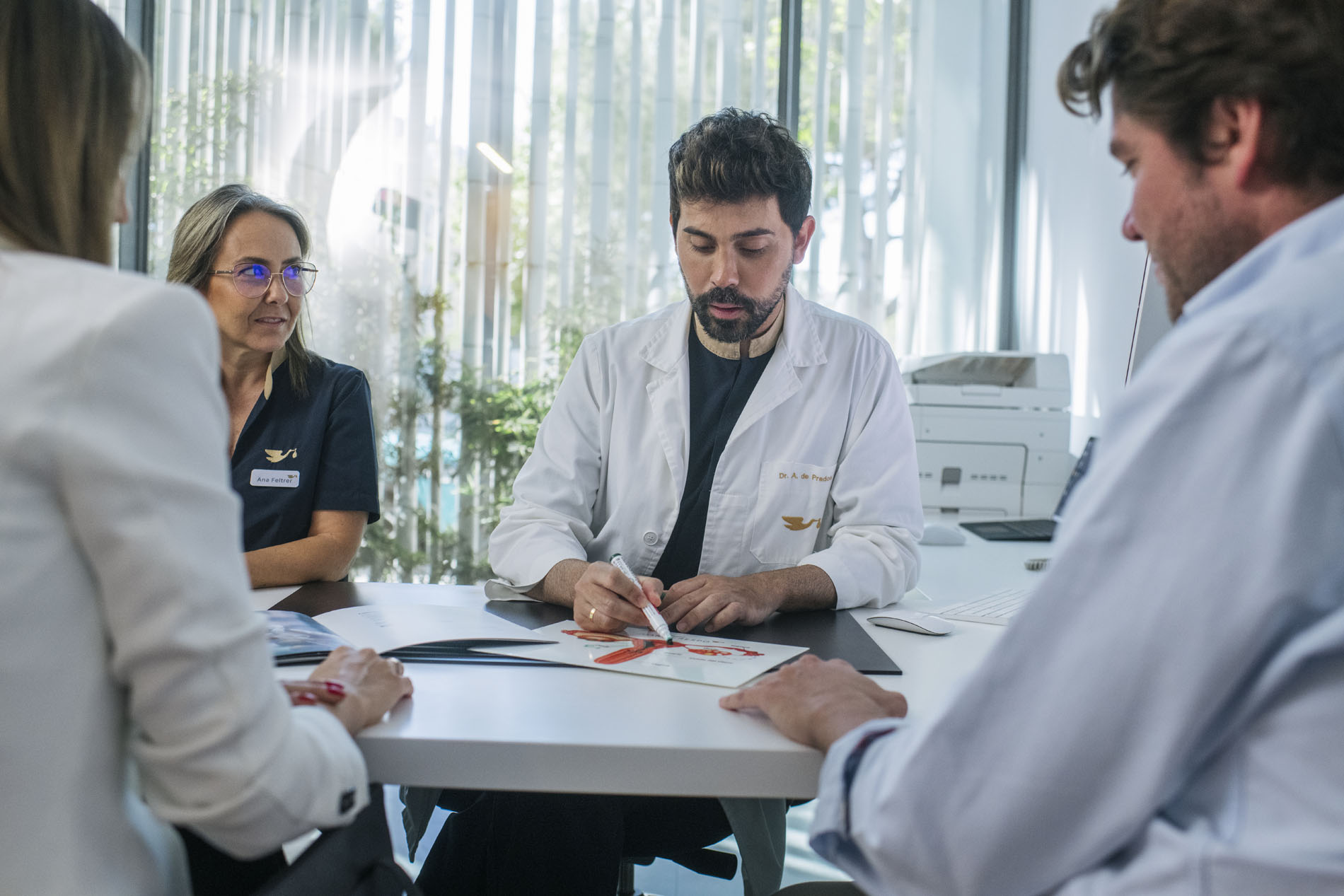
At Equipo Juana Crespo, an accurate diagnosis is our best tool for achieving a successful pregnancy. This always begins with a personalised assessment that includes:
A preliminary review of the patient’s medical history and that of her partner, if applicable.
Review of medical history.
Analysis, where applicable, of each treatment undertaken at other centres.
Evaluation of clinical tests.
And, finally, a physical and ultrasound examination, including a transfer test
From the very first visit, we carry out a comprehensive and personalised assessment to understand each patient’s reproductive history and develop a tailored treatment plan.
Specific tests
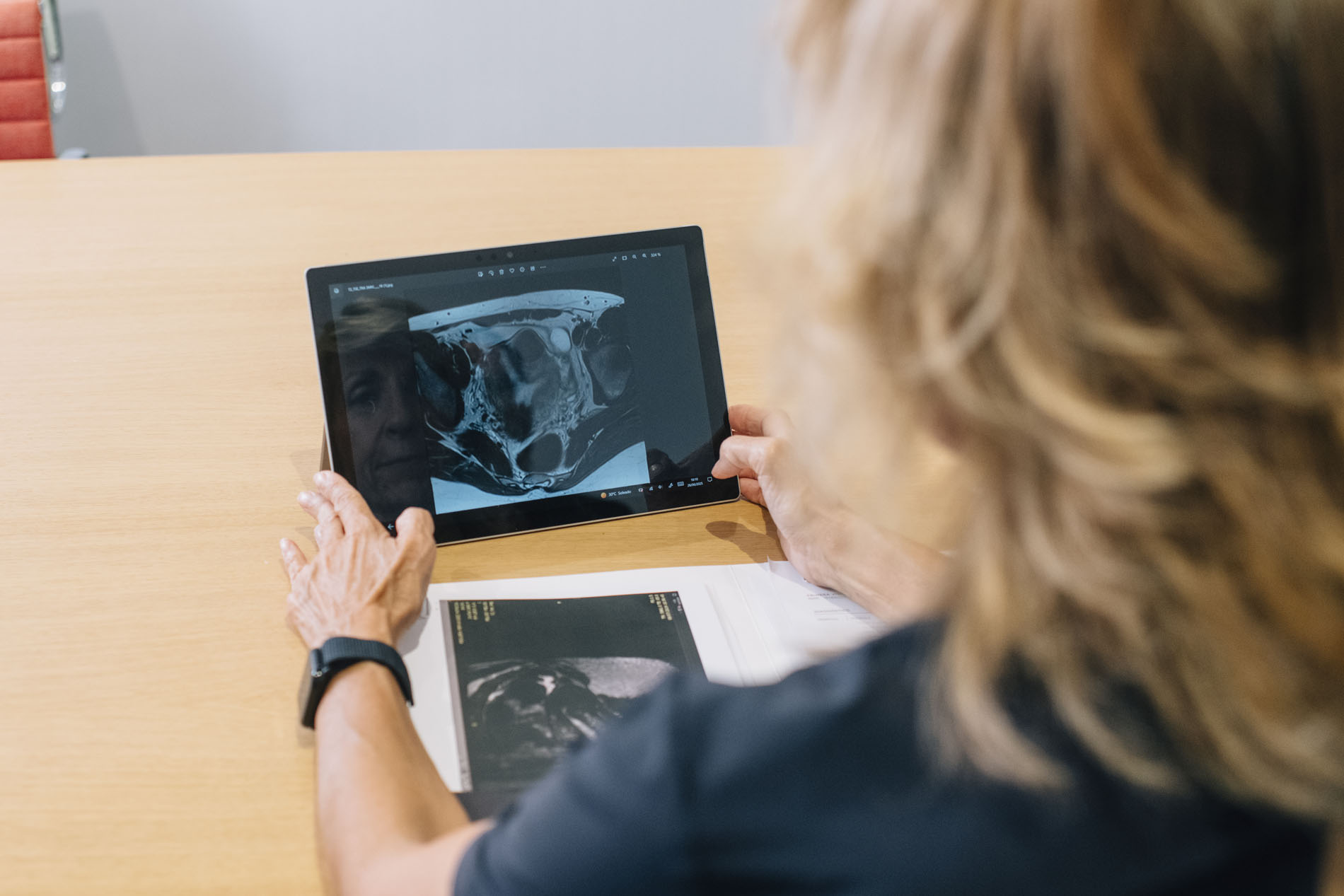
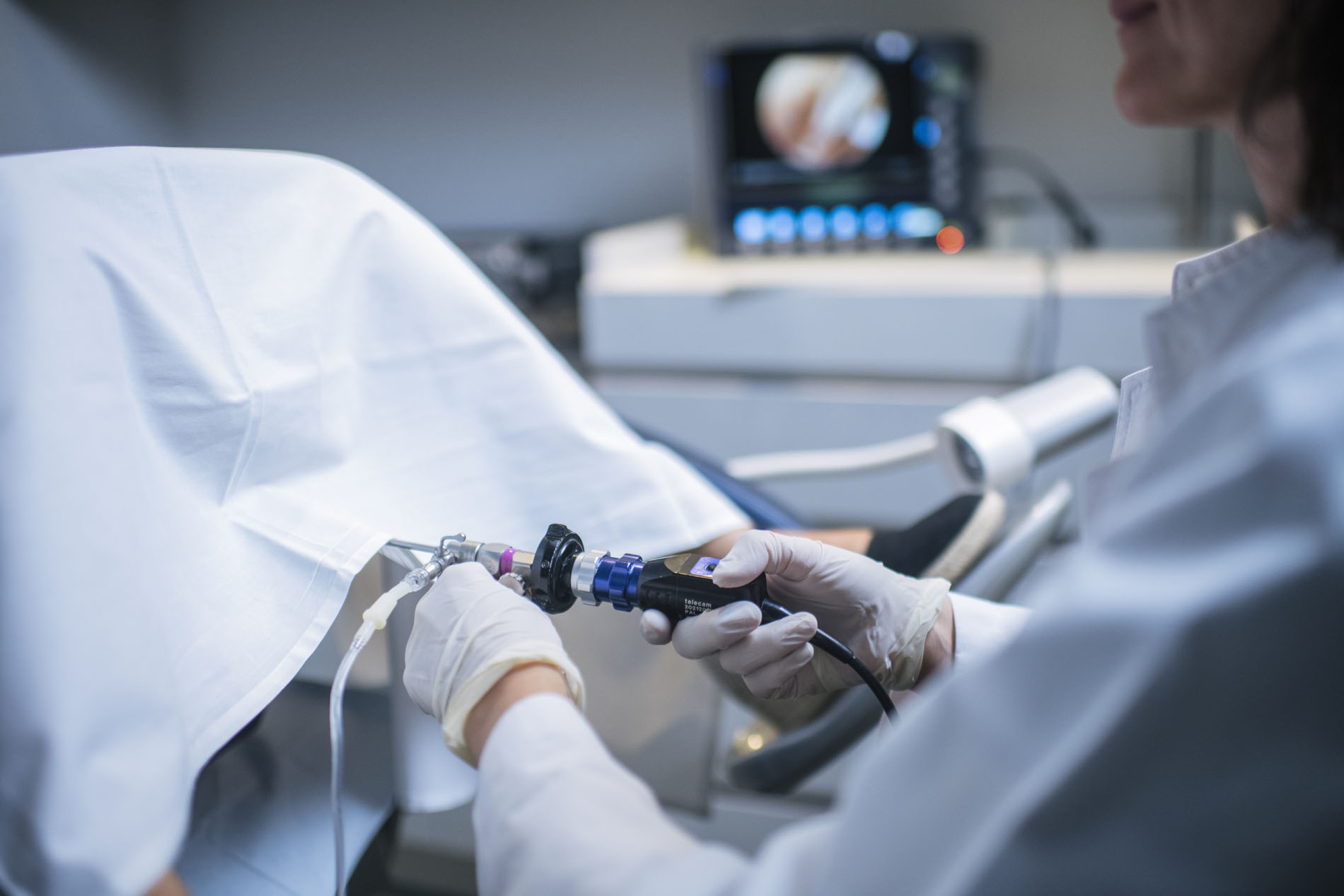
Hysteroscopy, MRI, and hysterosalpingography to detect structural abnormalities in the uterine walls, endometrium and fallopian tubes.
Karyotype analysis and pre-implantation genetic testing (PGT) to select chromosomally normal embryos and determine whether the cause of chromosomal abnormalities is inherited from the parents.
To rule out autoimmune disorders or thrombophilias.
Evaluation of thyroid function, metabolism and reproductive hormones.
Treatments to
improve embryo
implantation
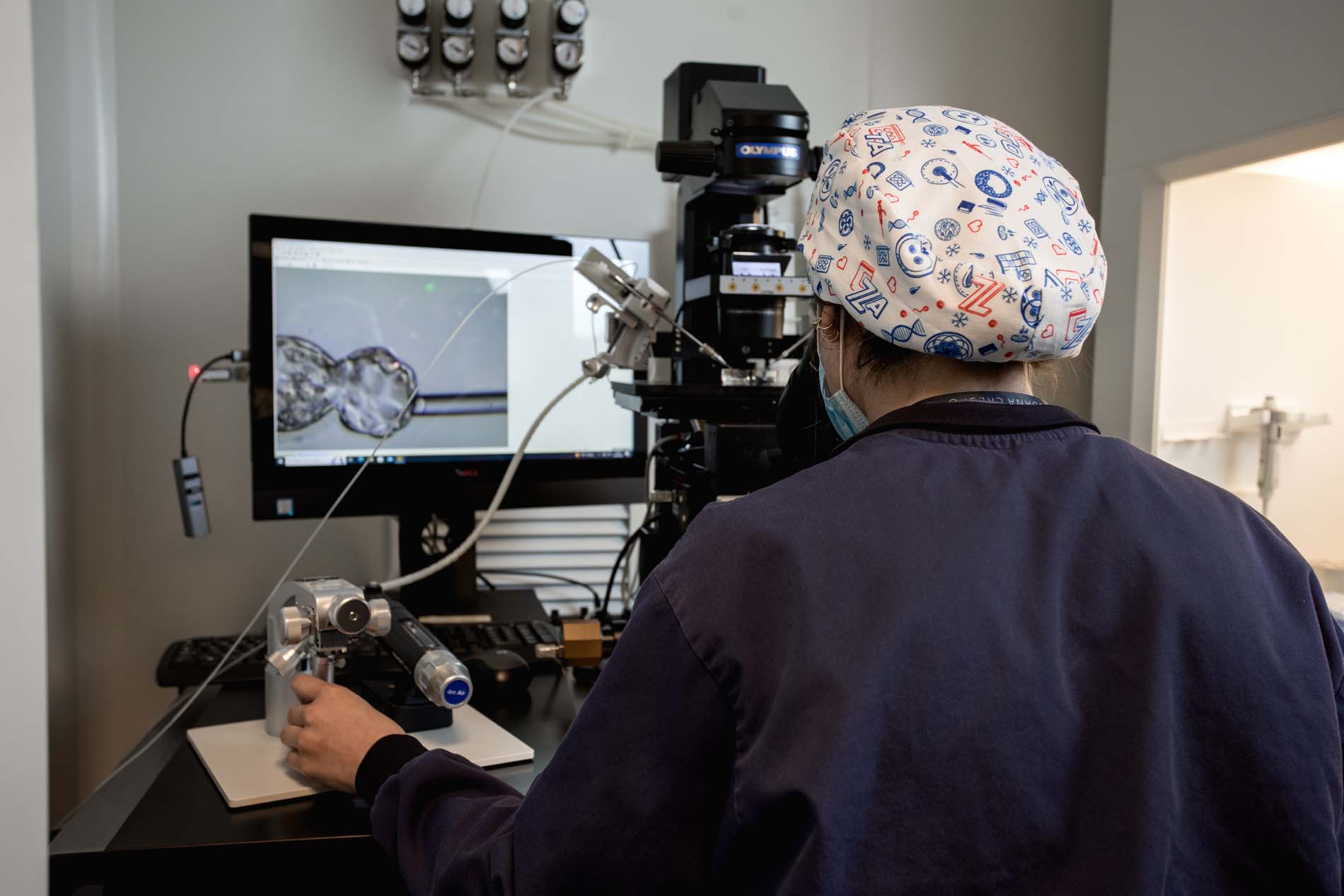
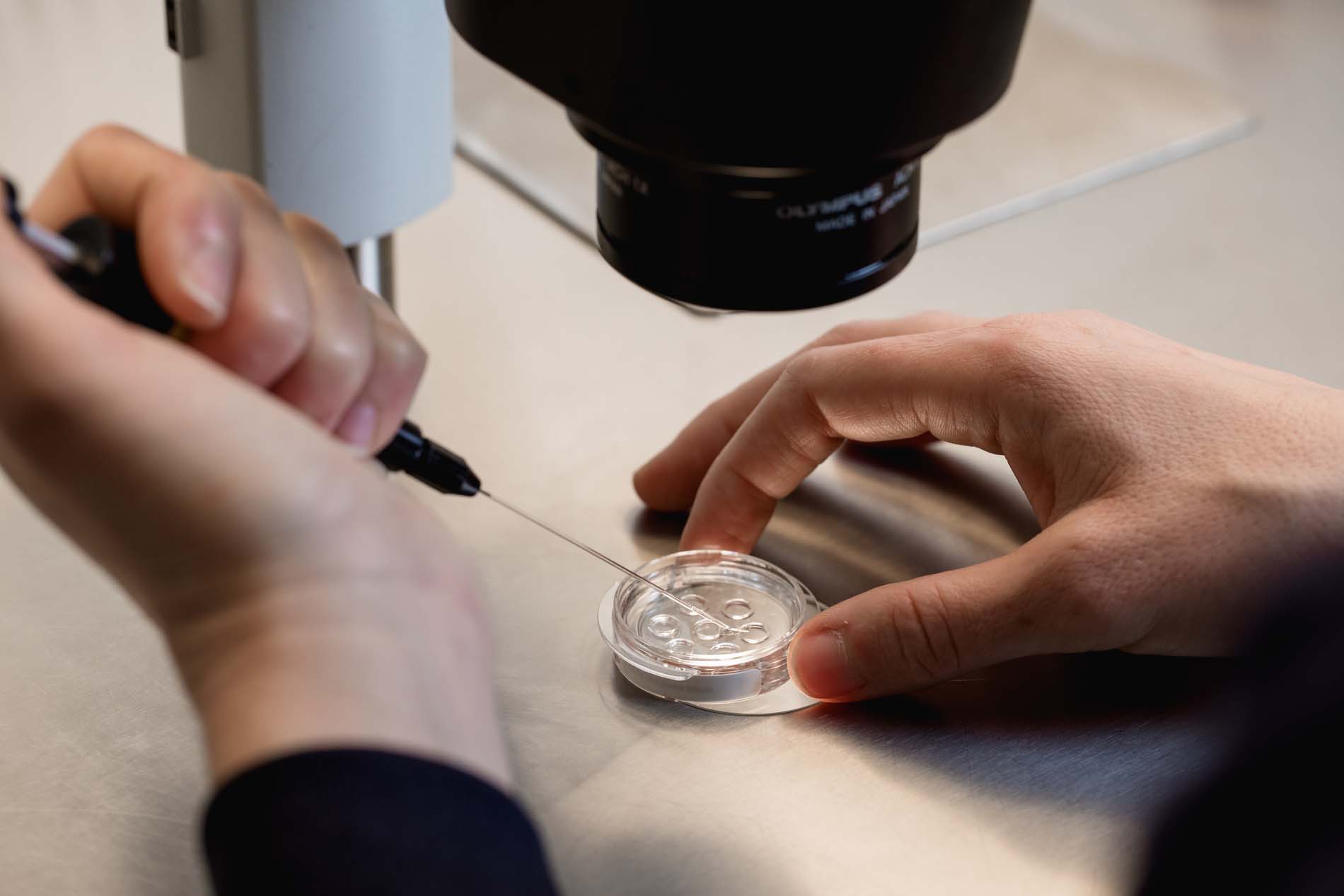
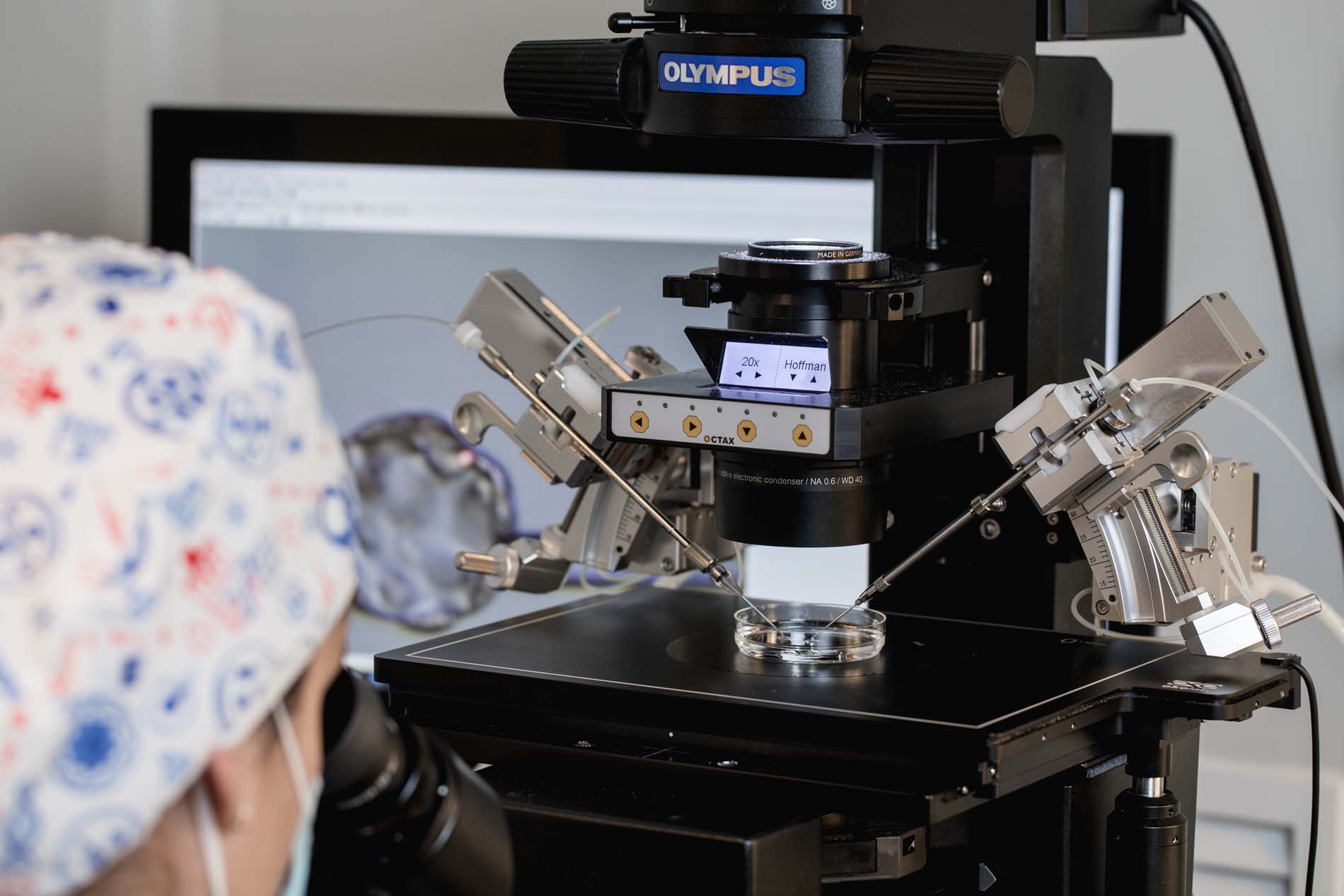
This allows the selection of chromosomally normal embryos for transfer via embryo biopsy. In women over 40, this technique is recommended in all IVF-ICSI treatments to ensure the transfer of a euploid embryo.
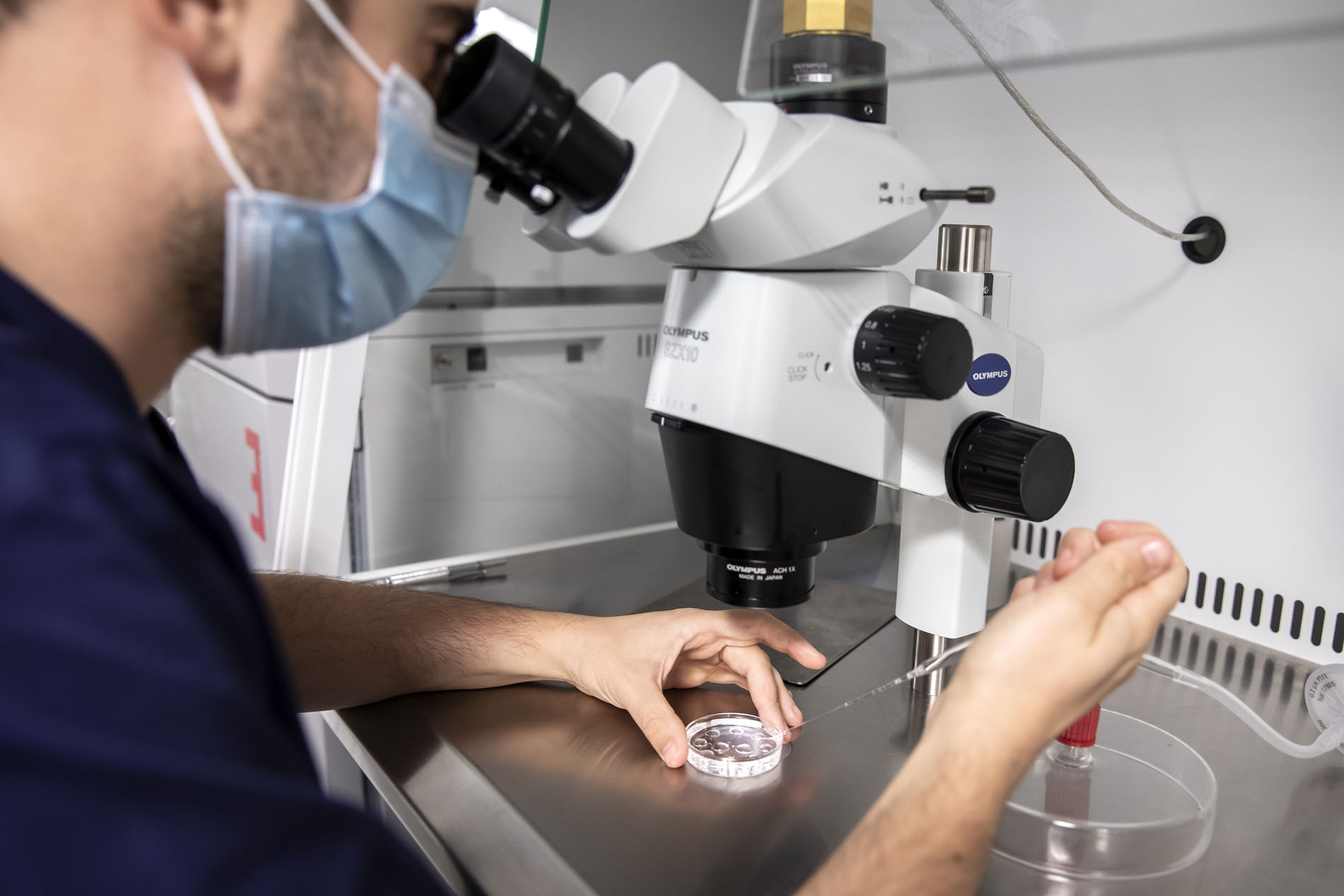
Improved embryo culture to allow proper development up to the blastocyst stage. Assisted hatching is another option to consider in certain cases; it facilitates the embryo’s exit from the shell and its attachment to the maternal endometrium, thereby facilitating implantation.
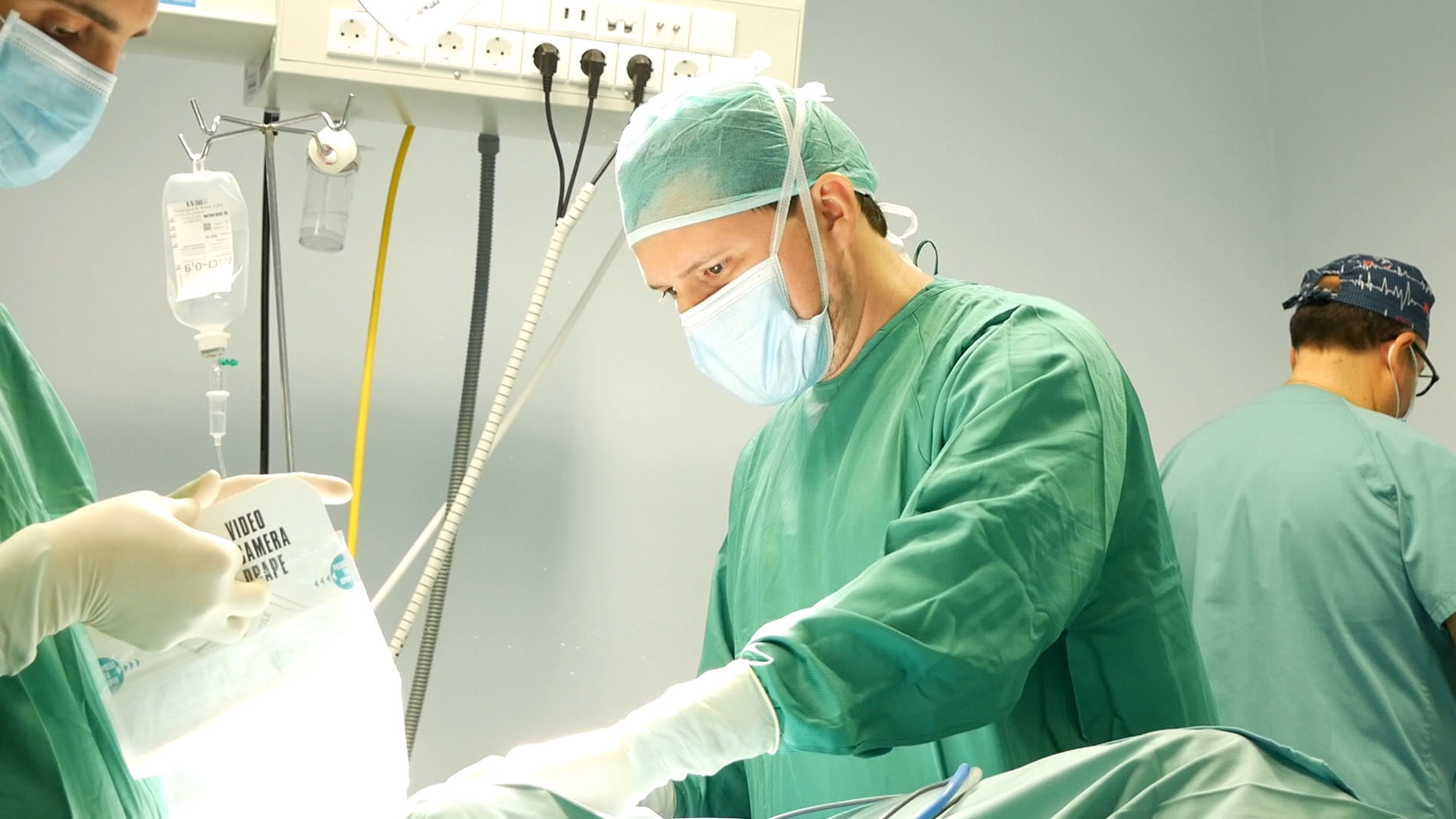
In highly complex cases, surgical intervention may also be necessary. At Equipo Juana Crespo, we have one of the most experienced reproductive medicine surgery units, which enables us to perform minimally invasive procedures. In cases such as polyps, fibroids, adenomyosis, stenosis, adhesions, etc., surgery allows us to restore fertility to the affected organs and thus give you back the chance to become a mother.
At Equipo Juana Crespo, we work to optimise the conditions of the uterus to ensure that both the endometrium—the receptive layer—and the myometrial walls involved in the second placental invasion are in the most suitable condition to receive an embryo.
Hormonal therapies, immunomodulators or anticoagulants to improve endometrial receptivity and cycle conditions.
Yes. With a thorough analysis and personalised treatment, many couples achieve pregnancy even after several failed attempts. The key lies in identifying the underlying cause and addressing it specifically.
Yes. Embryo quality tends to decline with age, increasing the risk of chromosomal abnormalities and implantation failures.
There is no absolute prevention of implantation failure, as its cause can be multifactorial and in many cases is related to biological variables that cannot be fully controlled. However, the chances can be significantly reduced. A personalised diagnostic strategy is key to identifying and treating the causes that can be modified, which can improve the implantation rate in fertility treatments.


