





Adenomyosis y Low Reserve
“High-complexity pregnancy following treatment with the patient’s own eggs at the age of 40: Low ovarian reserve and adenomyosis”
Abstract
A 40-year-old woman with a 4-year history of primary infertility and a particularly complex reproductive history. Her history of previous treatments at three other assisted reproduction centres included multiple cycles of ovarian stimulation, two ovarian rejuvenation procedures using intraovarian plasma, several egg retrievals without oocyte retrieval, and one episode of complete premature ovulation prior to egg retrieval.
She presented to the Juana Crespo Team with a diagnosis of very low and limited ovarian reserve. Consequently, a highly individualised approach was designed, tailored to a patient with very low ovarian reserve, irregular cycles, limited follicular recruitment, a risk of cystic follicles and a history of very poor ovarian response.
After 3 cycles of highly personalised stimulation, quality embryos were obtained, resulting in a first successful pregnancy leading to a healthy newborn at the age of 42 and another healthy pregnancy at the age of 44.
Background
A 40-year-old woman who came to the Juana Crespo Team after several years of primary infertility and a diagnosis of very low ovarian reserve, with hormone levels consistent with an extremely limited reserve: AMH between 0.05–0.09 and FSH varying between 20 and 31.8, according to the test results provided.
The patient had a particularly complex reproductive history. Before coming to our clinic, she had undergone treatment at three different assisted reproduction centres, accumulating multiple cycles of ovarian stimulation, two ovarian rejuvenation procedures using intraovarian plasma, several punctures without oocyte retrieval, and one episode of complete premature ovulation prior to puncture.
As a relevant gynaecological history, in 2013 she underwent laparotomy for a large subserosal uterine fibroid, weighing over 1 kg.
The patient had never been pregnant at the time of starting treatment at our clinic.
Previous treatments
Before coming to Equipo Juana Crespo, the patient had undergone multiple treatments (ten) at various assisted reproduction centres.
In 2021, she began oocyte vitrification cycles with very poor ovarian responses, typically yielding one or two follicles per stimulation. In several cycles, a blank aspiration occurred, with no oocyte retrieval.
She subsequently underwent treatments at other clinics, including cycles with clomiphene citrate, gonadotropins and further attempts at oocyte preservation. In July and December 2021, she also underwent ovarian rejuvenation procedures using intraovarian plasma.
In total, after multiple cycles, she managed to accumulate 10 mature oocytes. In October 2022, in vitro fertilisation with ICSI was performed. Following oocyte thawing, four oocytes were fertilised and two C-grade embryos were obtained on day 3. The remaining embryos arrested during development.
Diagnosis
The comprehensive assessment led to the following reproductive diagnoses:
- Advanced maternal age.
- Very low ovarian reserve.
- Poor oocyte quality associated with age and extremely diminished ovarian reserve.
- History of very poor ovarian responses and oocyte-free punctures.
- Diffuse uterine adenomyosis.
- Uterus with a history of surgery for a large fibroid.
- Pelvic implants consistent with retrograde menstruation.
- Associated male factor, as indicated by a semen sample showing oligoasthenoteratozoospermia.
Treatment plan
A comprehensive, individualised and sequential approach was designed, aimed at optimising both embryo retrieval and uterine preparation.
High-complexity controlled ovarian stimulation
The primary objective was to obtain good-quality embryos using the patient’s own oocytes.
Given the very low ovarian reserve, individualised stimulation protocols were planned, tailored to her follicular pattern and the progression of each cycle. In patients of this type, the challenge lies not only in stimulating the ovaries, but also in identifying the optimal time to commence treatment, avoiding follicular asynchrony, reducing the risk of premature ovulation, and making the most of every available follicle.
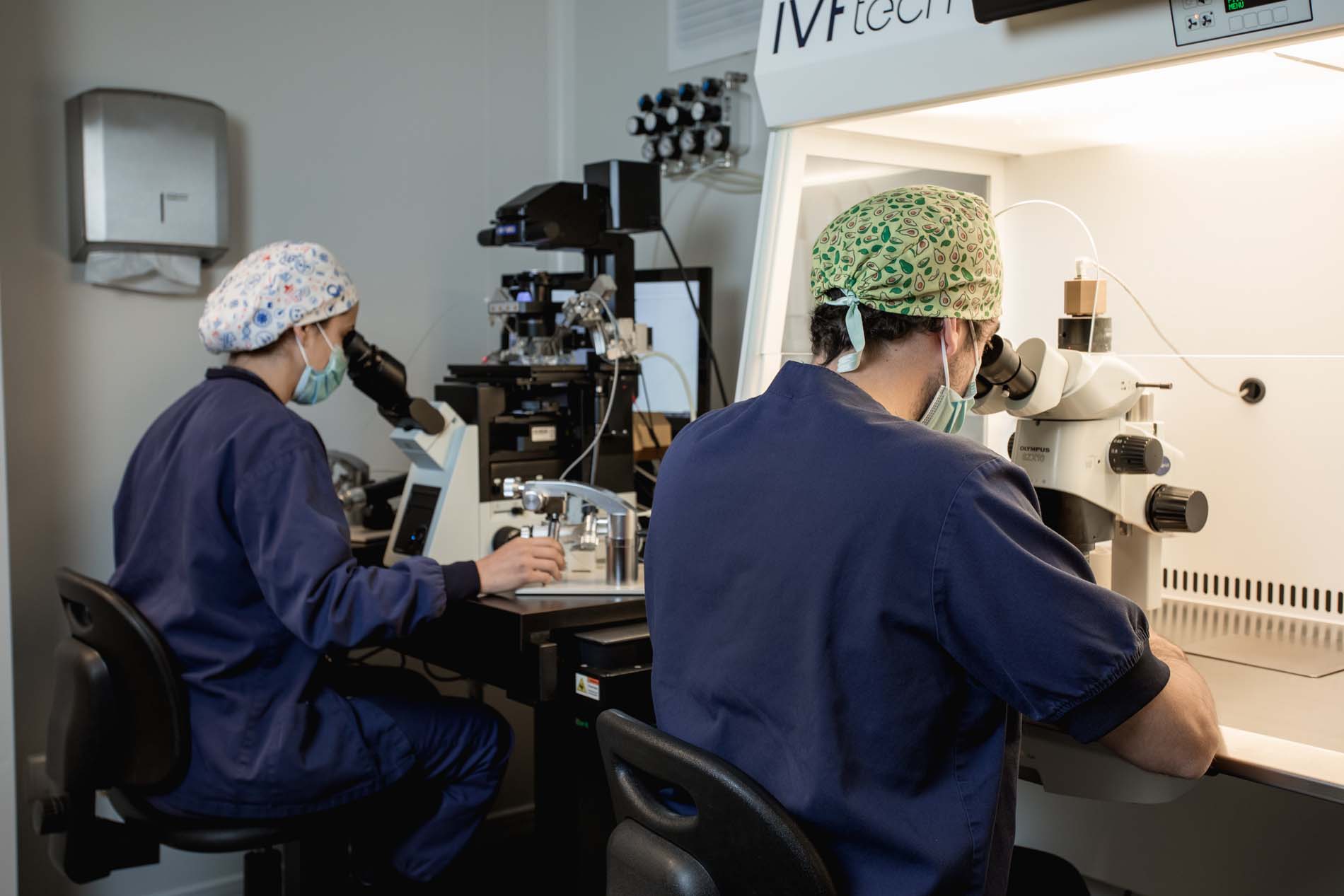
Despite working with an extremely limited number of oocytes — in some cycles just one or two — a high-quality embryo was obtained in every cycle.
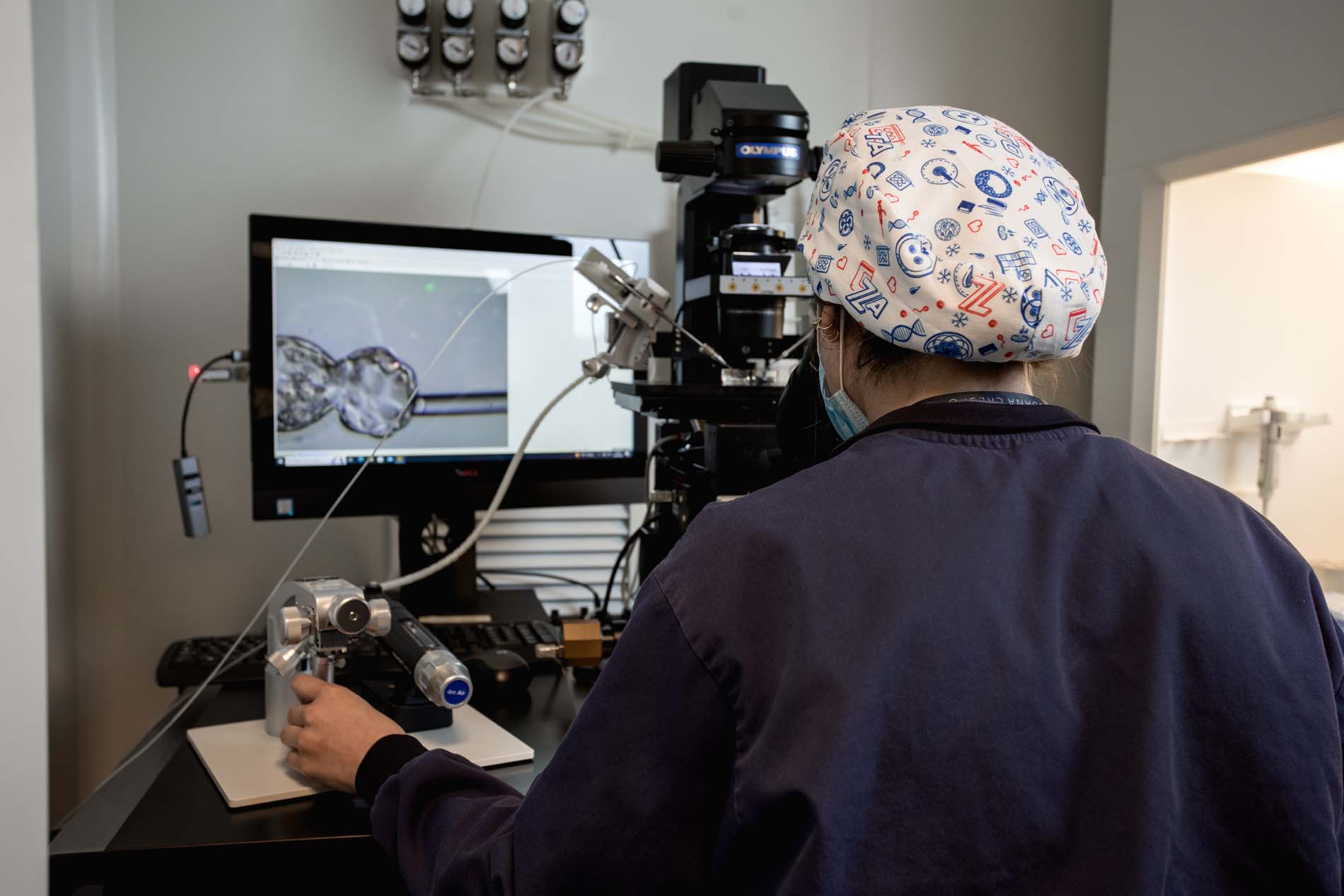
Furthermore, the embryos obtained were chromosomally evaluated, resulting in healthy embryos suitable for transfer.
This result was particularly significant, as the patient had undergone multiple previous cycles with low oocyte retrieval, blank punctures and embryos of lower developmental quality.
Advanced uterine assessment
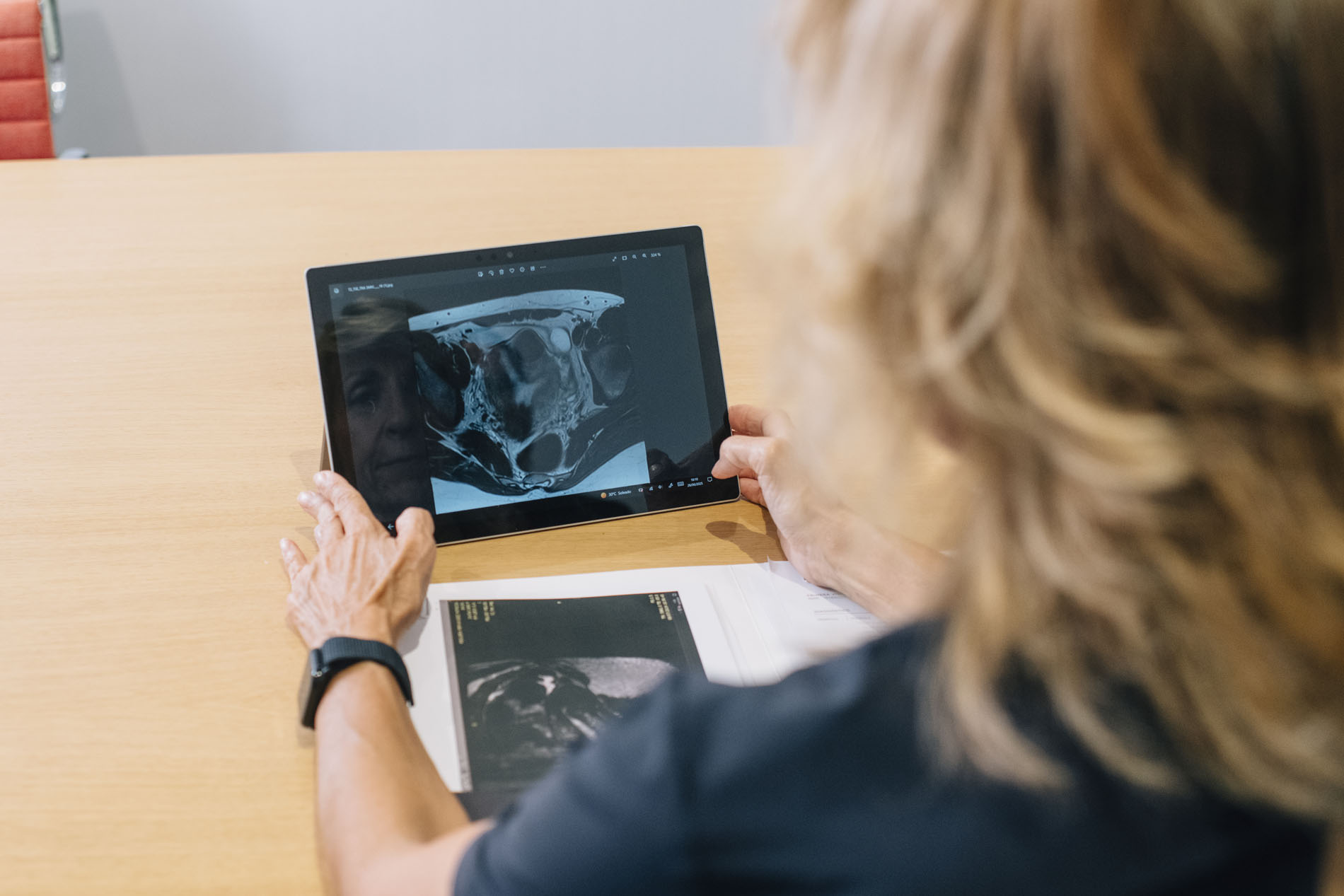
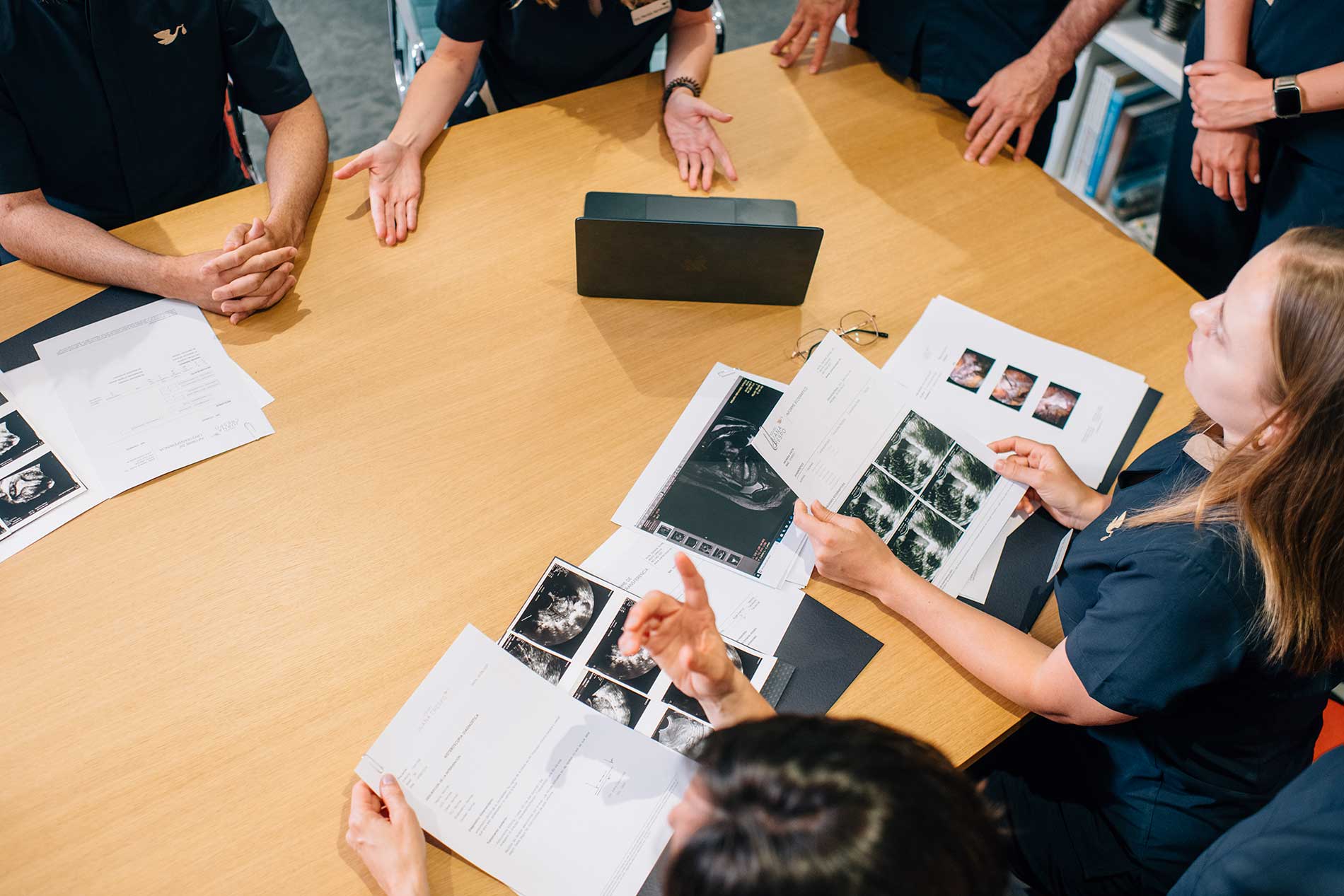
In parallel, a comprehensive uterine assessment was carried out. The patient presented with diffuse uterine adenomyosis and a surgical history of large fibroids, making it essential to optimise the uterine environment before transferring embryos of high reproductive value.
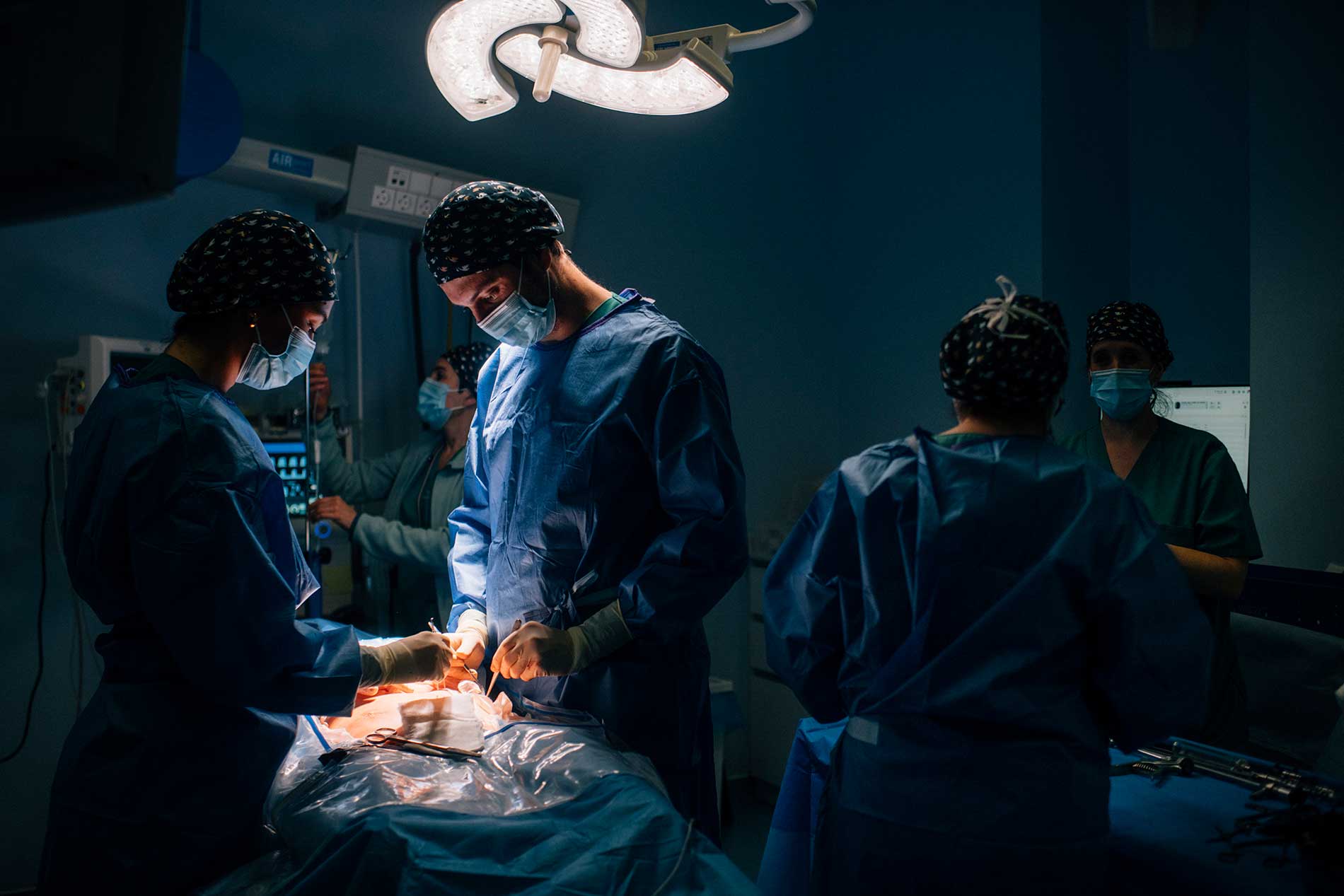
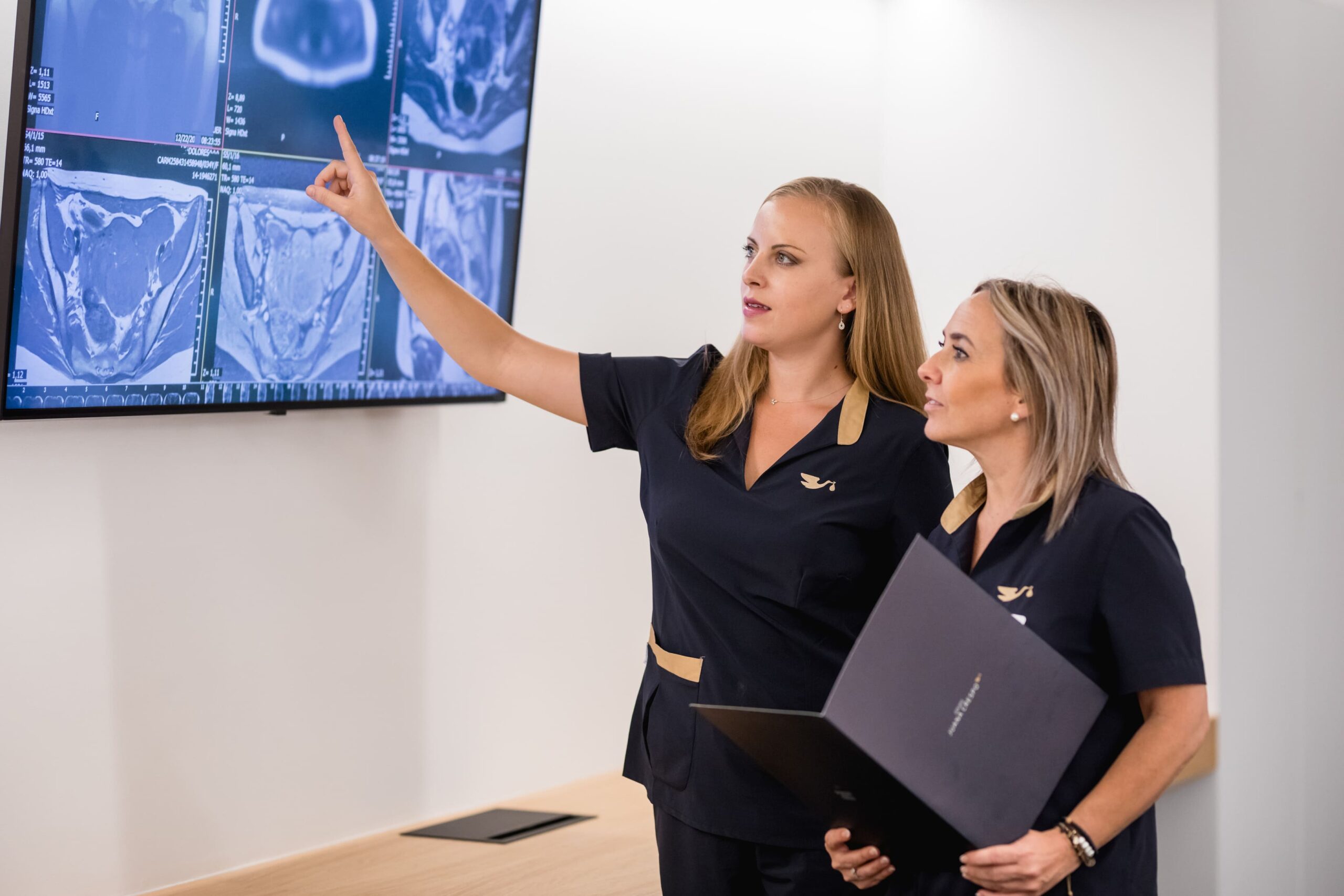
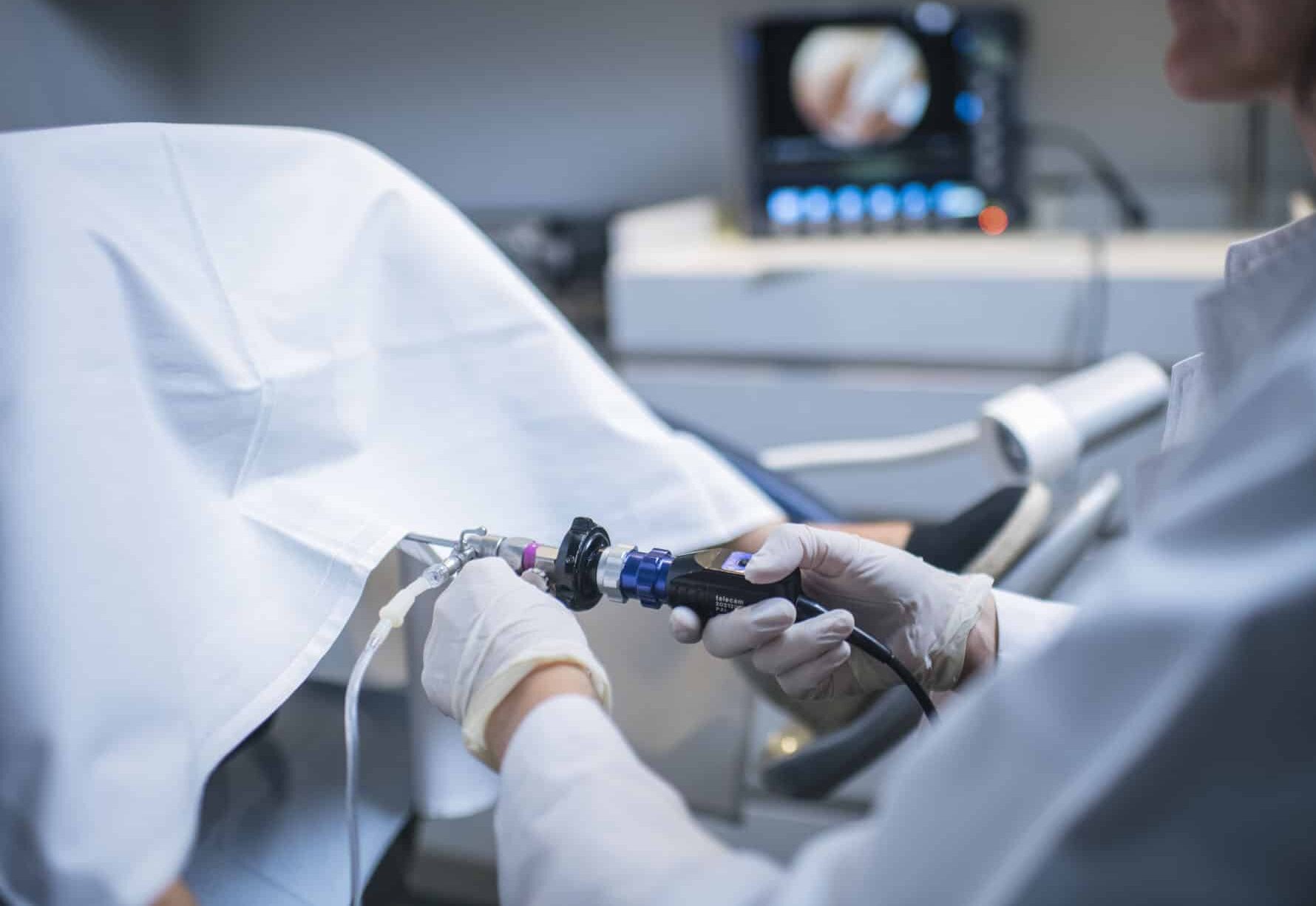
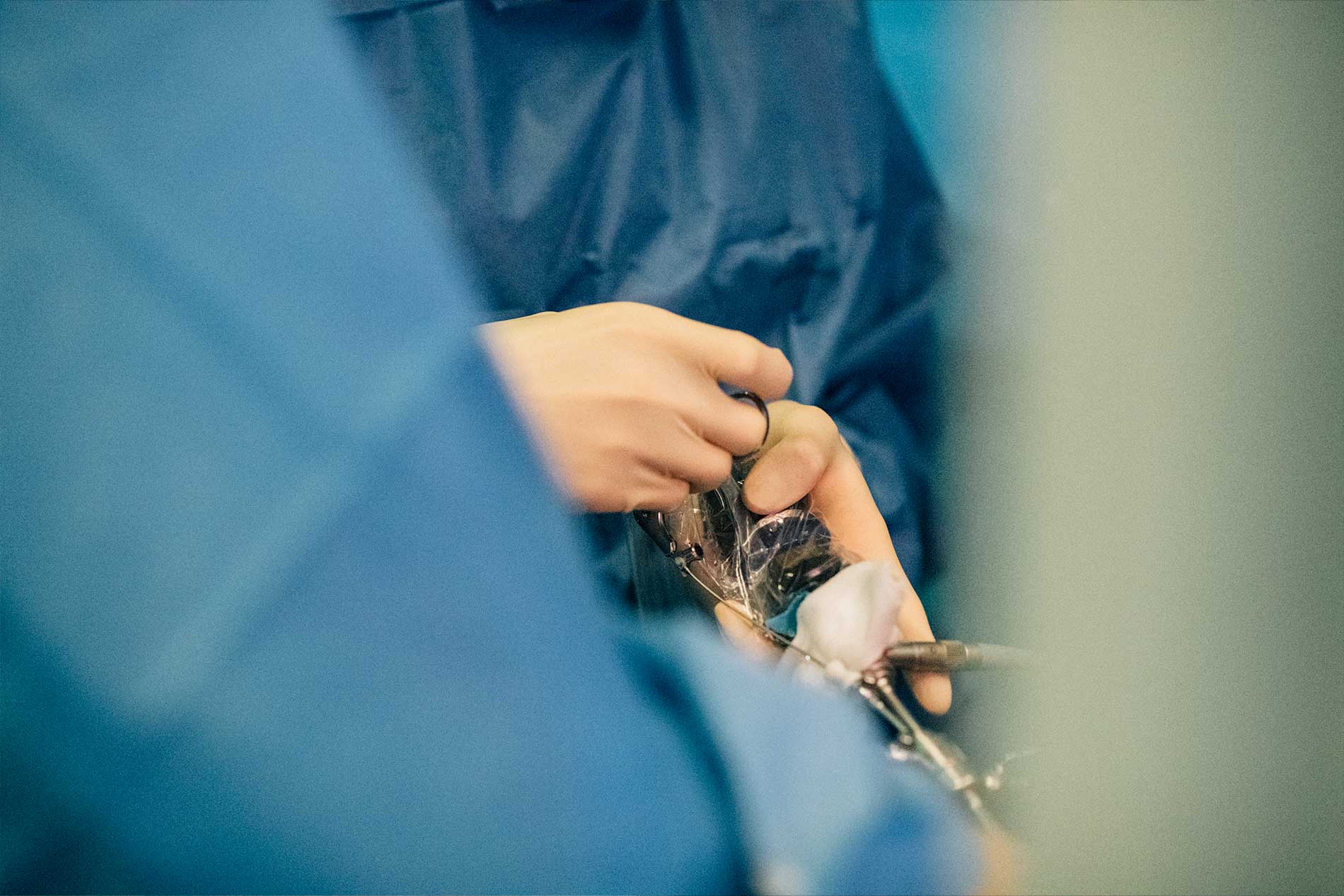
The assessment included a pelvic MRI. A therapeutic hysteroscopy under sedation was performed, involving reconstructive uterine microsurgery, multiple myomectomies and polypectomies.
Following surgery, medical treatment with anti-oestrogenic drugs was initiated to promote adequate uterine recovery, improve healing and reduce the inflammation associated with adenomyosis.
Endometrial preparation and embryo transfer
Once the uterine cavity had been optimised, personalised endometrial preparation was initiated.
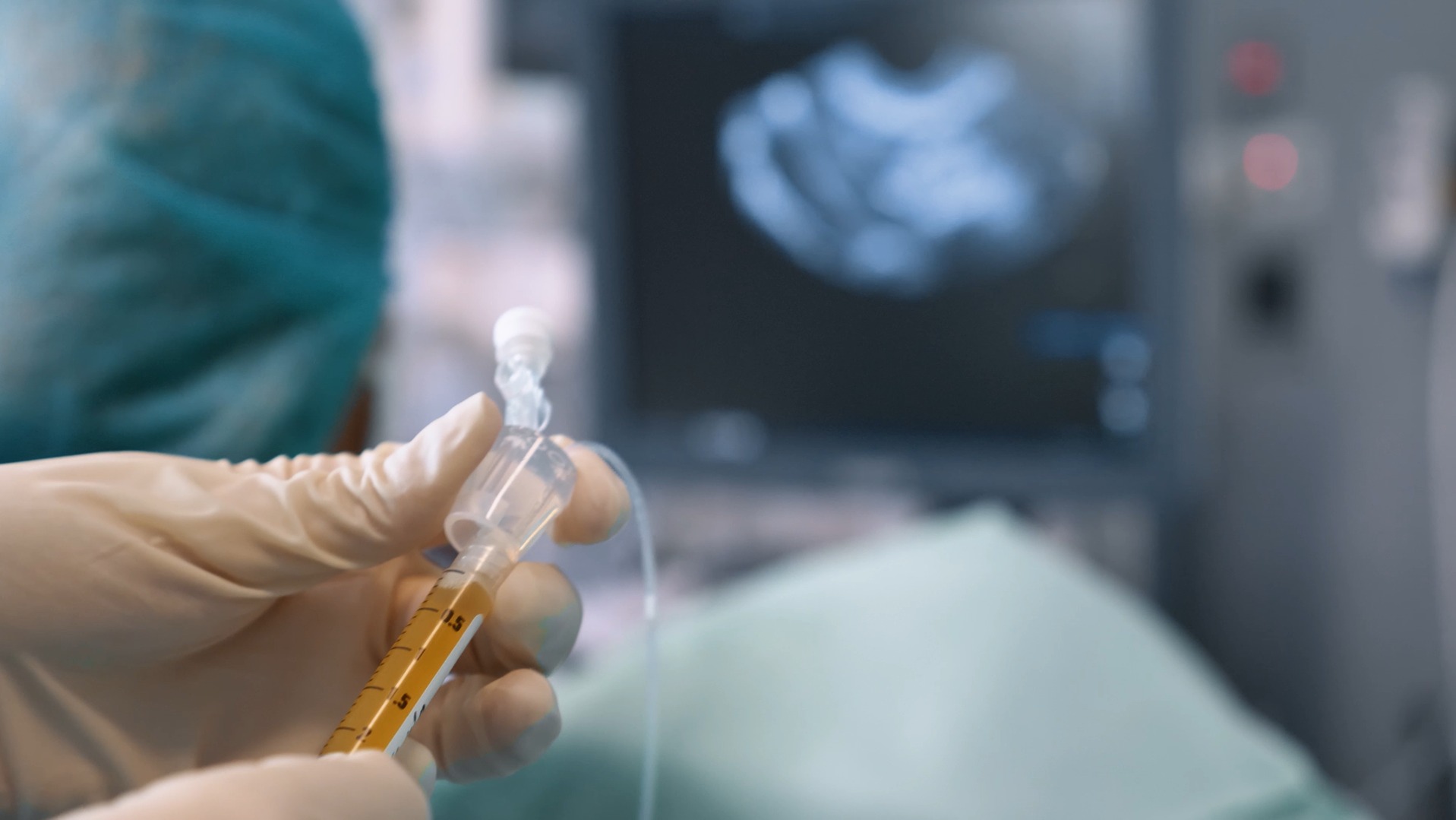
During this phase, a trial transfer and hysteroscopic assessment were carried out in the clinic, with the aim of confirming the accessibility of the cavity and precisely mapping out the safest route for the day of the embryo transfer.
This planning was particularly important as these were single, chromosomally healthy embryos of high clinical value, obtained following complex stimulation cycles in a patient with very low ovarian reserve.
The first embryo transfer was successful and resulted in a progressing pregnancy without significant complications. The pregnancy culminated in the birth of a healthy, full-term baby girl via caesarean section.
Thanks to the pre-planned strategy and the retrieval of additional healthy embryos, the patient was subsequently able to undergo a second transfer. At the age of 44, she achieved a new, ongoing pregnancy—currently at 20 weeks—also of a girl.
Result
The treatment enabled the achievement of two highly significant clinical objectives:
- Firstly, to obtain chromosomally healthy embryos from an extremely limited number of oocytes in a patient with a virtually depleted ovarian reserve.
- Secondly, to optimise the uterus prior to embryo transfer by addressing adenomyosis, intra-cavitary abnormalities and surgical history through a personalised medical and surgical strategy.
The result was the birth of a healthy first daughter and an ongoing second pregnancy, achieved thanks to prior planning and comprehensive management of the case.
Conclusion
This case demonstrates how, even in patients of advanced reproductive age, with very low ovarian reserve and hormonal parameters close to ovarian failure, it is possible to achieve motherhood using her own oocytes when a highly individualised strategy is applied.
The key to success wascombining specific protocols for low ovarian reserve, stimulation carefully tailored to each cycle, advanced uterine assessment, reproductive surgery and personalised endometrial preparation.
This is a particularly representative case of highly complex reproductive medicine, where every oocyte counts and where precision at every stage of treatment can completely alter the patient’s reproductive prognosis.


