

















Argomenti correlati:
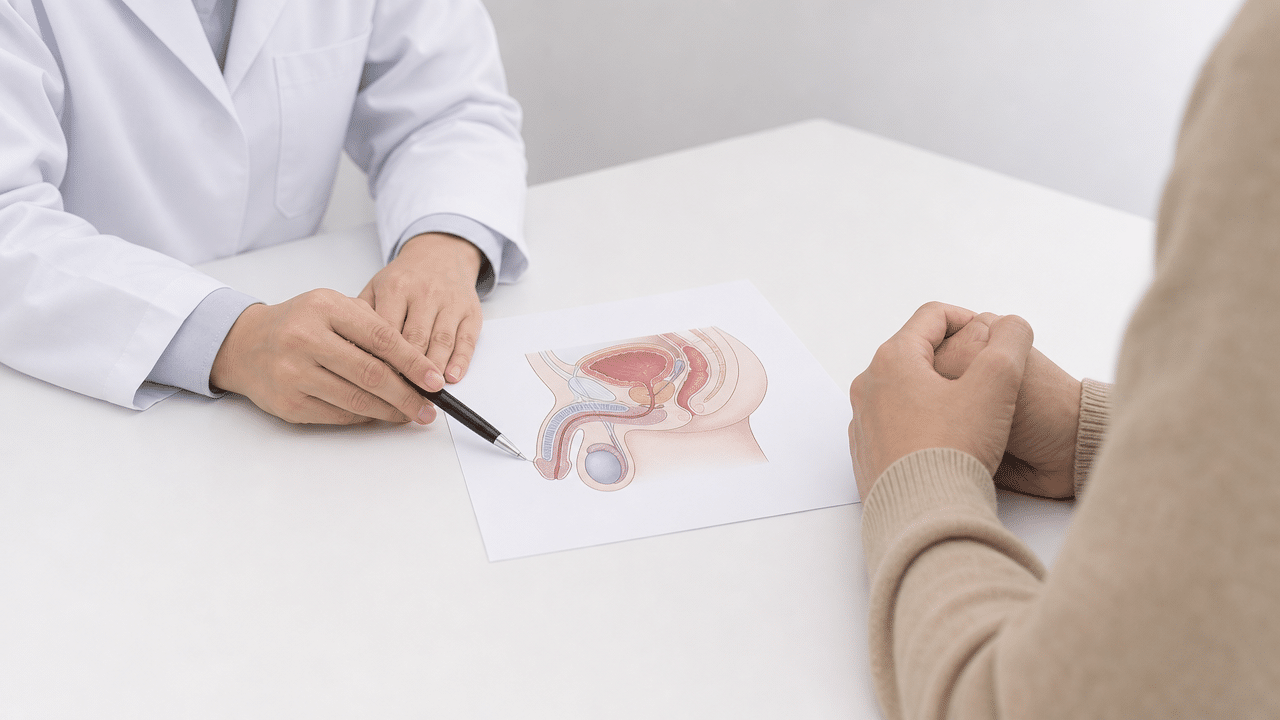
When a couple is unable to conceive, it is often assumed that the problem lies with the woman. However, in many cases, the difficulty in conceiving is due to the male factor.
One of the problems that can affect male fertility is azoospermia, or the absence of sperm in the semen. It is a condition estimated to affect 1 per cent of men in general, and between 5 and 10 per cent of men diagnosed with infertility. However, it does not always mean irreversible infertility.
At Equipo Juana Crespo, a specialist fertility clinic, they consider it essential to identify the cause or causes of infertility. For this reason, they carry out comprehensive fertility assessments on both men and women, as assessing the man from the outset saves time and helps to better guide the fertility diagnosis.
What is azoospermia?
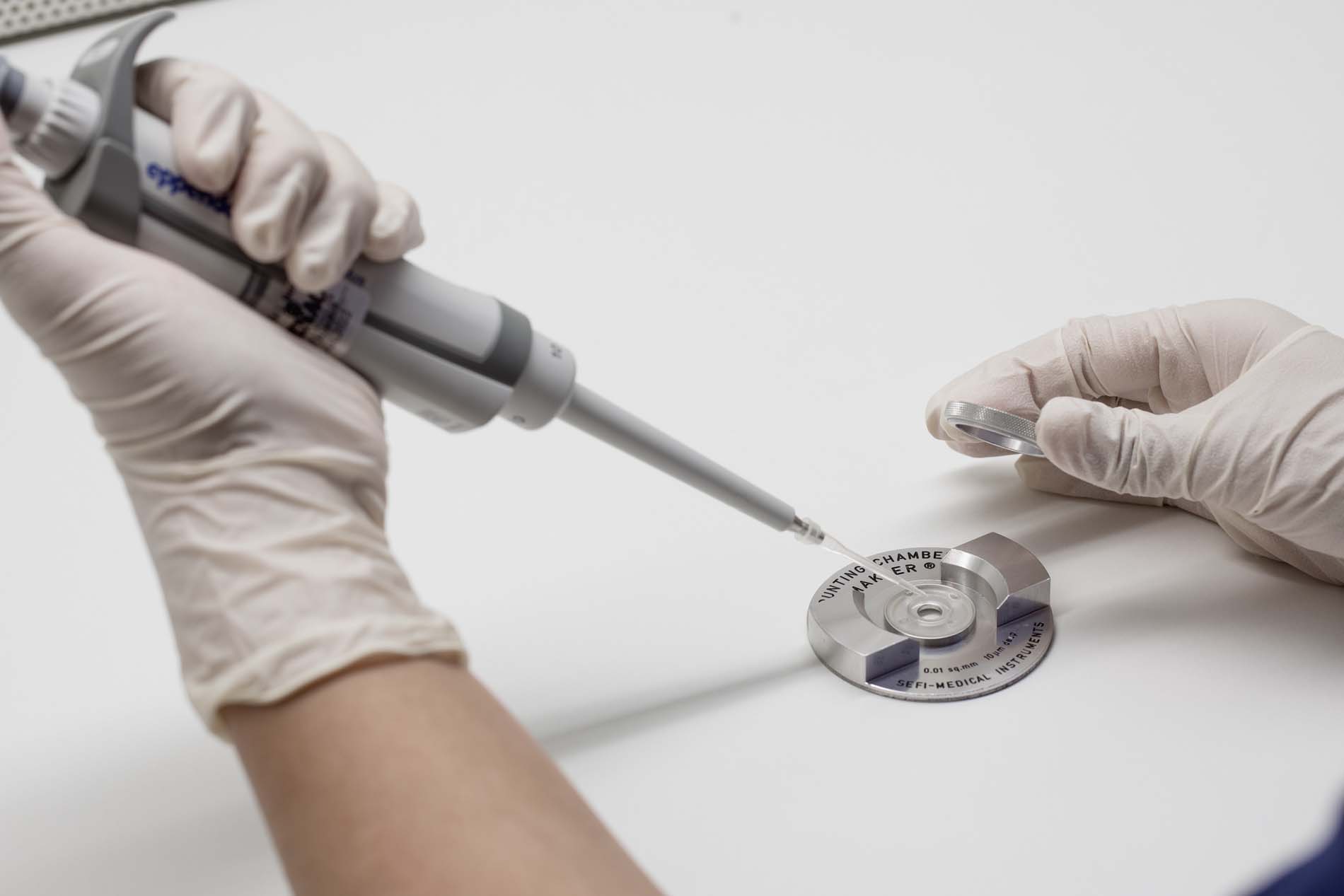
Azoospermia is the absence of sperm in the ejaculate sample during the initial analysis and the absence of sperm following centrifugation. In other words, the sperm concentration in the semen is 0, whereas, according to the WHO, there should be at least 15 million sperm per millilitre of semen.
Azoospermia can be caused by various factors, such as genetic abnormalities, hormonal problems, infections, blockages in the reproductive tract, previous surgery or cancer treatments.
How is azoospermia diagnosed?
Azoospermia is detected through a semen analysis, which confirms the absence of sperm in the ejaculate.
The diagnosis is confirmed by two semen analyses carried out two to three months apart. If no sperm are detected in either test, even after centrifuging the sample, further tests are carried out, such as a physical examination and hormone tests, to determine whether the azoospermia is obstructive or secretory.
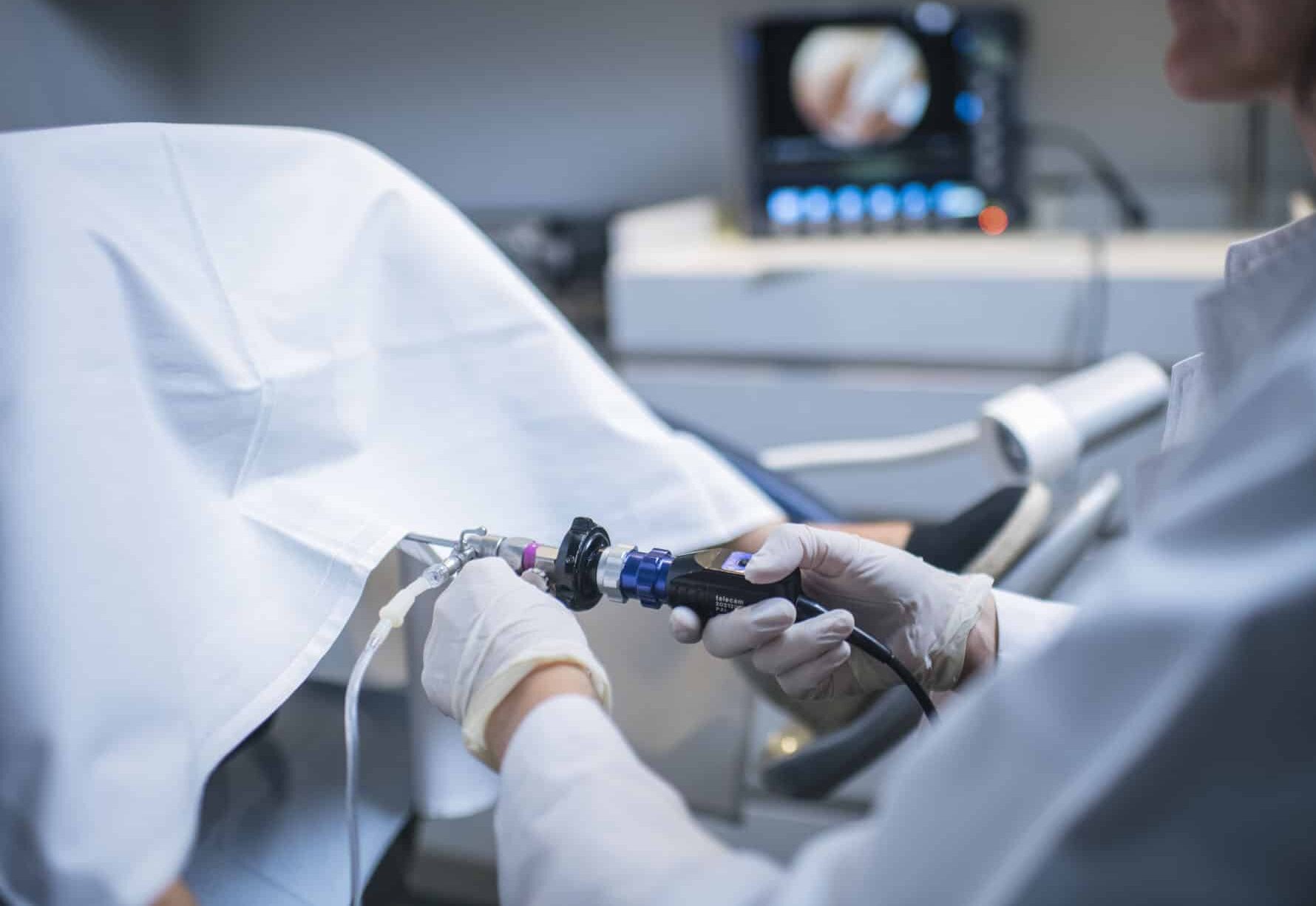
To identify the type of azoospermia, a testicular biopsy may be performed, as this allows doctors to check whether the testicle is producing sperm or not.
Another option is to carry out a hormone test: if the levels of the hormones involved in spermatogenesis are abnormal, it is more likely to be secretory azoospermia. However, this test is not as reliable as a biopsy for confirming the presence of sperm and assessing the suitability of assisted reproduction treatment.
What types of azoospermia are there?
Obstructive azoospermia
This is characterised by the absence of sperm in the semen due to a blockage or the absence of the seminal ducts. The main causes include vasectomy, certain infections and some genetic factors. In these cases, the testicles produce sperm normally, but the sperm cannot reach the semen or be expelled during ejaculation.
Secretory or non-obstructive azoospermia
This is the most complex type of azoospermia, as the testicles produce few or no sperm. However, this diagnosis does not necessarily mean that it is impossible to achieve a pregnancy. Depending on the cause and the individual case, there are various treatment options and assisted reproduction techniques that can make this possible.
What are the symptoms of azoospermia?
Azoospermia does not usually cause any obvious symptoms, which is why many men are unaware they have it until they start trying unsuccessfully to conceive. In fact, in most cases, difficulty in achieving pregnancy is the only sign that may suggest this condition.
Even so, when azoospermia is linked to certain medical conditions, other symptoms may appear, such as hormonal imbalances, reduced libido, ejaculation problems or testicular pain and inflammation, although these cases are less common.
Can you become a father if you have azoospermia?
Having azoospermia does not mean you have to give up on fatherhood. The chances of achieving a pregnancy depend on the type of azoospermia and its underlying cause. Therefore, receiving an accurate diagnosis is essential to determine the best option in each case.
When sperm production is present
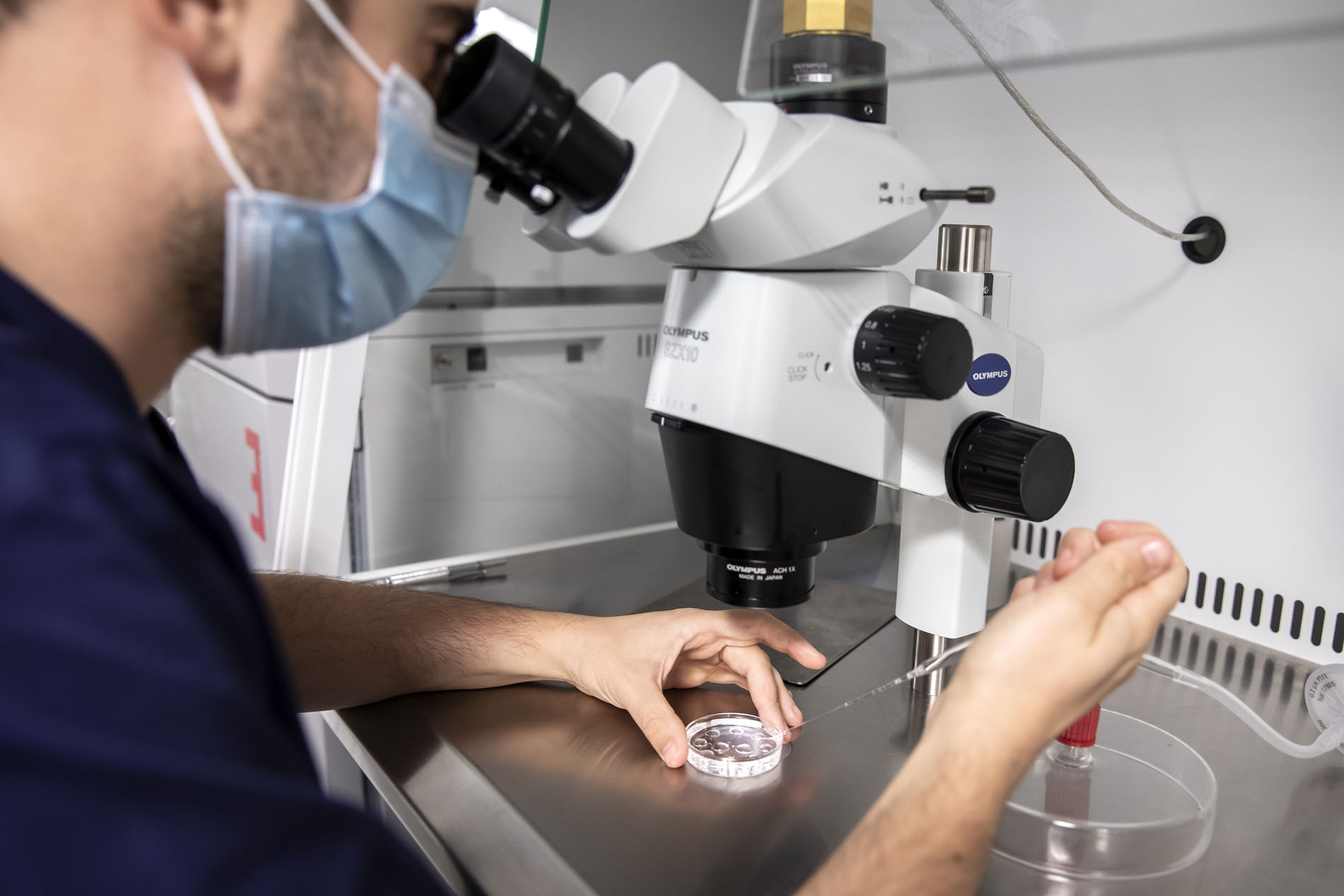
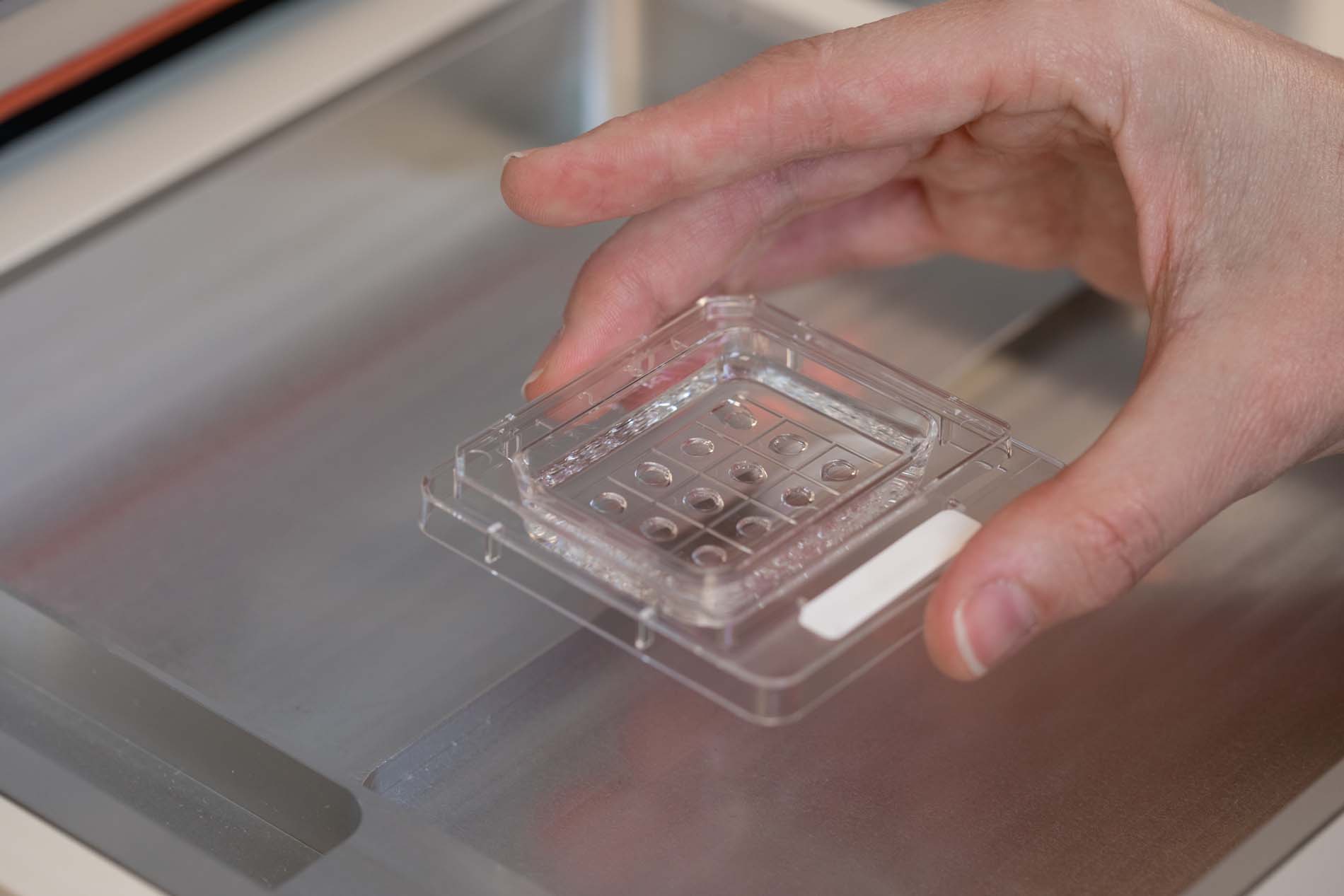
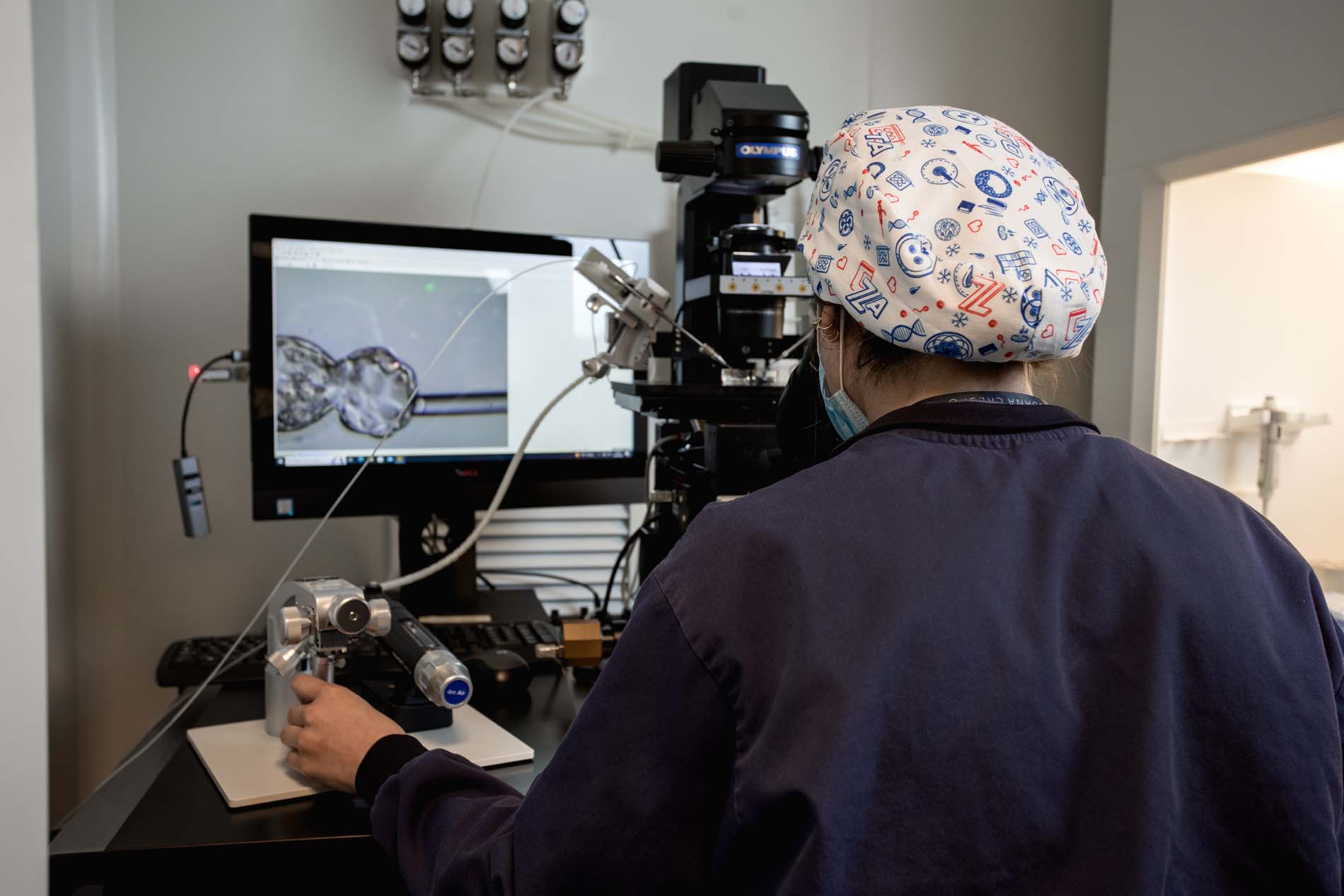
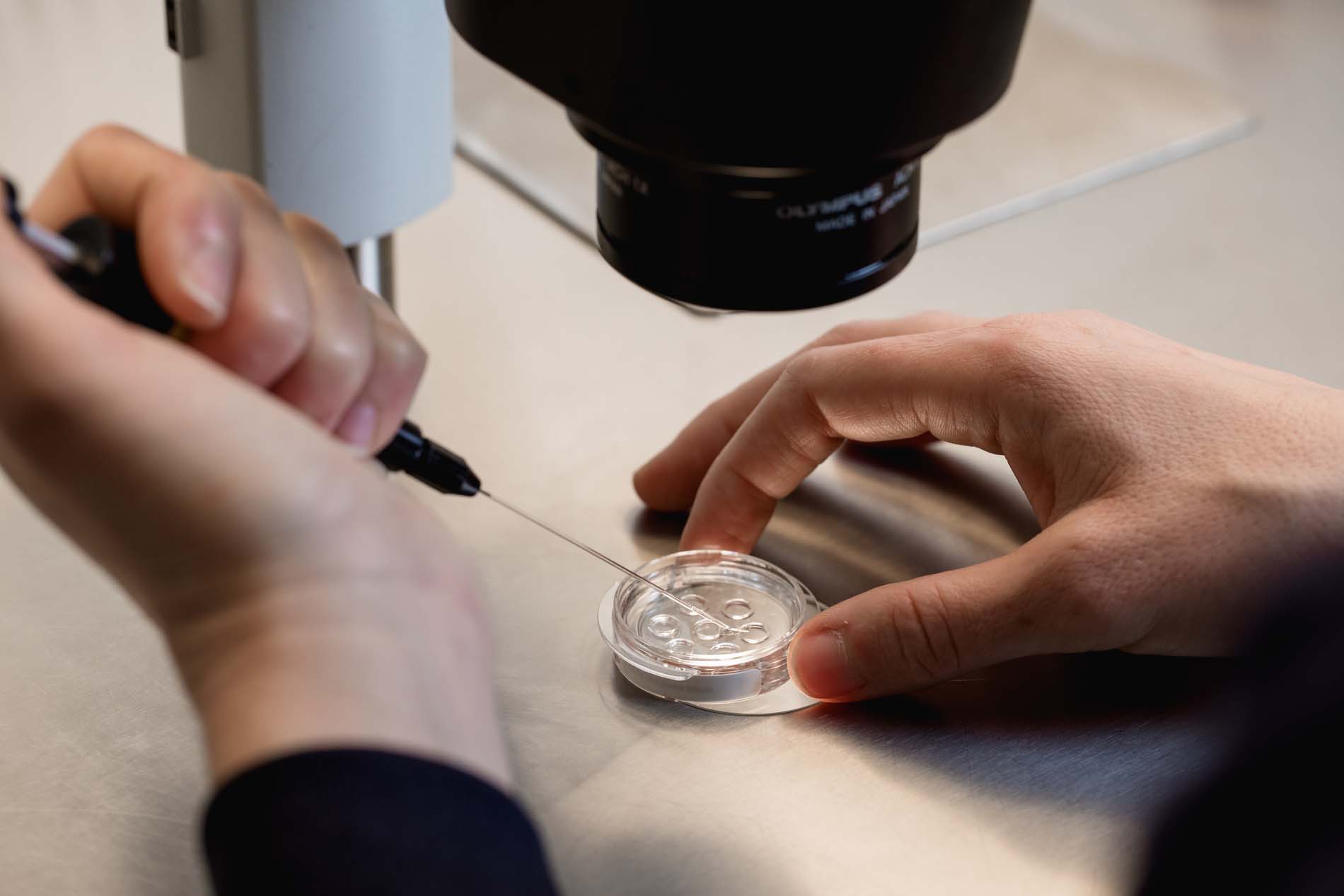
In cases of obstructive azoospermia, it is possible to retrieve sperm using techniques such as testicular aspiration or biopsy. These sperm can then be used in assisted reproduction treatment, usually via in vitro fertilisation with intracytoplasmic sperm injection (ICSI)
When there is insufficient sperm production
When it is not possible to retrieve viable sperm, there are alternatives that enable pregnancy to be achieved, such as sperm donation. At Equipo Juana Crespo, each case is assessed on an individual basis to select the most appropriate strategy. The experience of their specialists and the personalised approach they take to each treatment also enable them to achieve high success rates.
The importance of an accurate diagnosis
Not all cases of azoospermia have the same cause or require the same treatment. Therefore, before deciding on the most appropriate reproductive strategy, it is essential to carry out a comprehensive assessment to identify the cause of the problem.
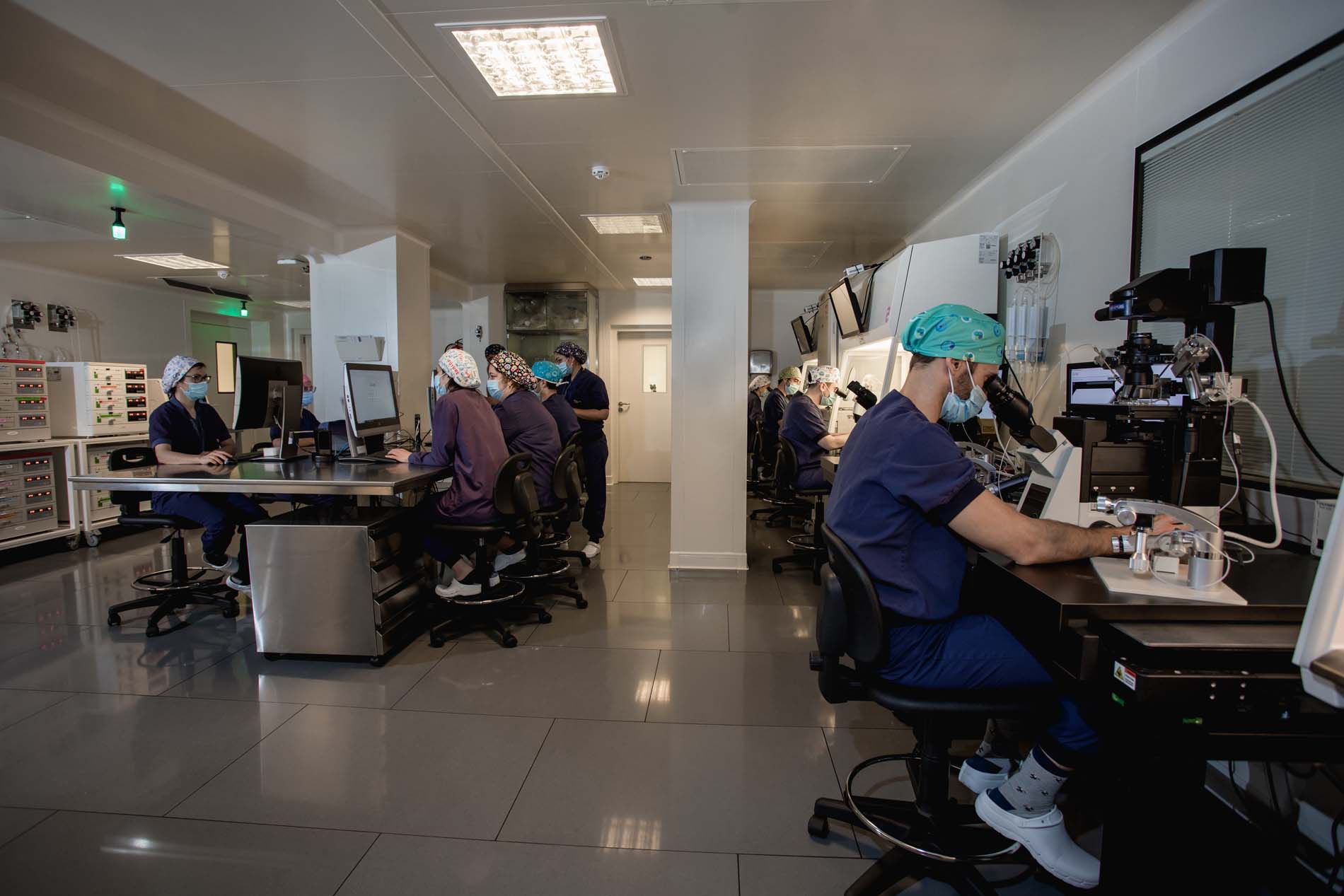
At Equipo Juana Crespo, they specialise in the diagnosis and treatment of male infertility. They have a specialist andrology unit, where both the quality and functionality of the sperm are assessed with the aim of identifying the cause of the problem.
Based on a comprehensive assessment of male factors and the use of the most advanced techniques, the team can select the sperm with the greatest reproductive potential and design a fully personalised treatment plan for each patient.
If you have any further questions about azoospermia or think you may be affected by this condition, please contact Equipo Juana Crespo.


