





Adenomyosis y Uteruses
“When the uterus is the challenge: from 14 years of infertility to a full-term pregnancy”
When the uterus is the challenge: from 14 years of infertility to a full-term pregnancy
Following a thorough investigation, a significant uterine condition associated with adenomyosis and bilateral hydrosalpinx was identified, requiring a comprehensive and personalised approach.
The design of an individualised treatment strategy, combining medical treatment, uterine and tubal surgery, and subsequent specific preparation for embryo transfer, ultimately led to a pregnancy that progressed to full term without complications.
Medical history
A 44-year-old patient with a 14-year history of infertility and a history of endometriosis.
Throughout her reproductive history, she had undergone:
- Previous laparoscopy for bilateral endometriotic cysts.
- Hysterosalpingography (HSG), which revealed obstructive tubal pathology.
- Multiple endometrial receptivity tests and immunological treatments.
- Three surgical hysteroscopies for fundic metroplasty.
- One surgical hysteroscopy for uterine synechiae, with adhesiolysis.
- Subendometrial PRP administration.
Previous assisted reproduction treatments
The patient had undergone a total of 19 embryo transfers, with 22 embryos transferred, without achieving a viable pregnancy.
Her medical history included:
- 9 IVF cycles and 10 transfers of frozen embryos using her own gametes.
- 1 treatment involving egg donation and 3 transfers of frozen embryos.
- 3 transfers of embryos from embryo donation.
- Two biochemical pregnancies using her own gametes.
- Three very early first-trimester miscarriages following treatments involving egg donation and embryo donation.
Diagnosis
The investigation carried out at our clinic identified a combination of factors that could compromise both uterine anatomy and embryo implantation:
- Deep endometriosis.
- Left hydrosalpinx and probable right hydrosalpinx.
- Uterus severely affected by adenomyosis.
- Two adenomyomas protruding into the endometrium.
- History of endometrial pathology and uterine synechiae.
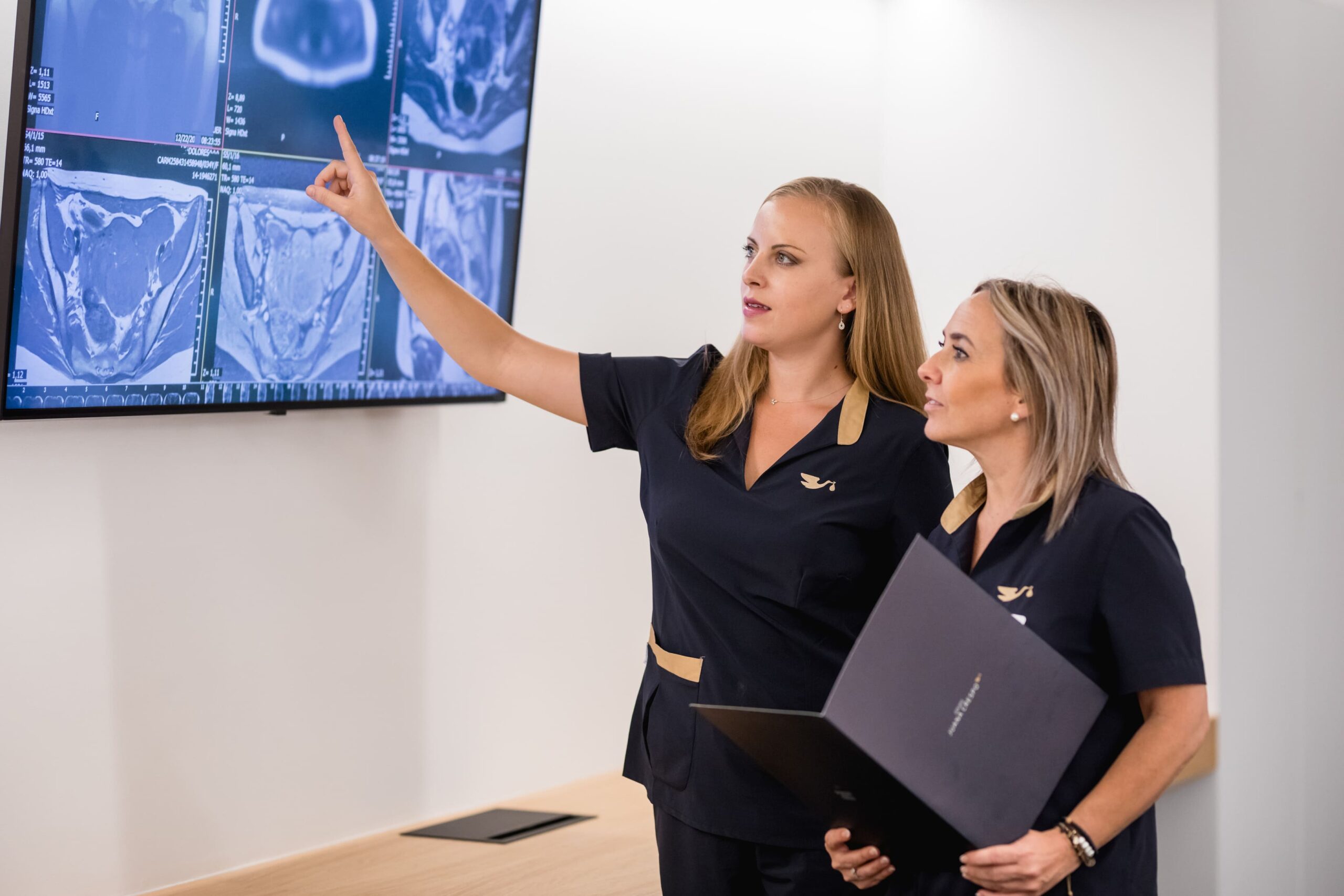
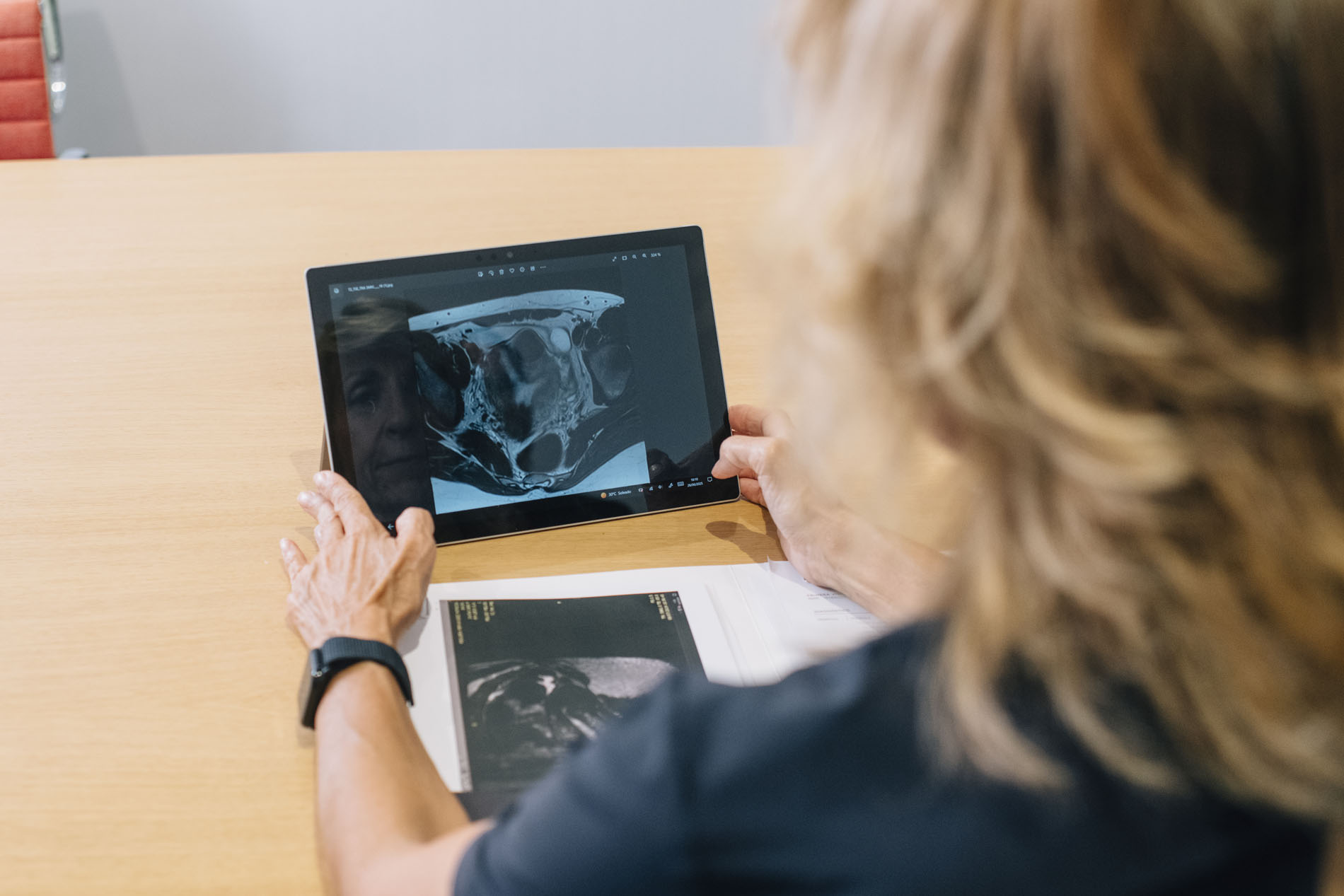
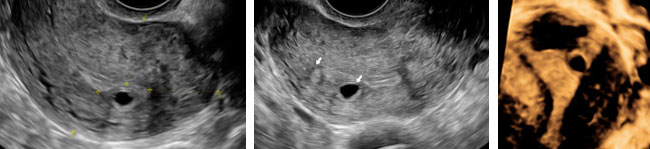
To complete the investigation, a pelvic MRI was performed, which revealed a retroverted and flexed uterus and a small focal lesion of approximately 8 mm that partially occupied the lumen of the endometrial cavity in its anterosuperior region, consistent with a small adenomyoma.
Furthermore, poor definition of the junction area was observed, particularly on the posterior surface, consistent with the presence of adenomyosis.
Treatment strategy
Given the complexity of the case, a sequential treatment strategy was devised with the aim of optimising both the uterus and the conditions for a future embryo transfer.
1. Medical treatment
Firstly, anti-oestrogen treatment was initiated, with the aim of assessing the response of the uterine condition to medical treatment.
Following treatment, a significant reduction in the size of the adenomyoma was observed.
2. Surgical treatment
Once the response to medical treatment had been assessed, a combined surgical approach was performed:
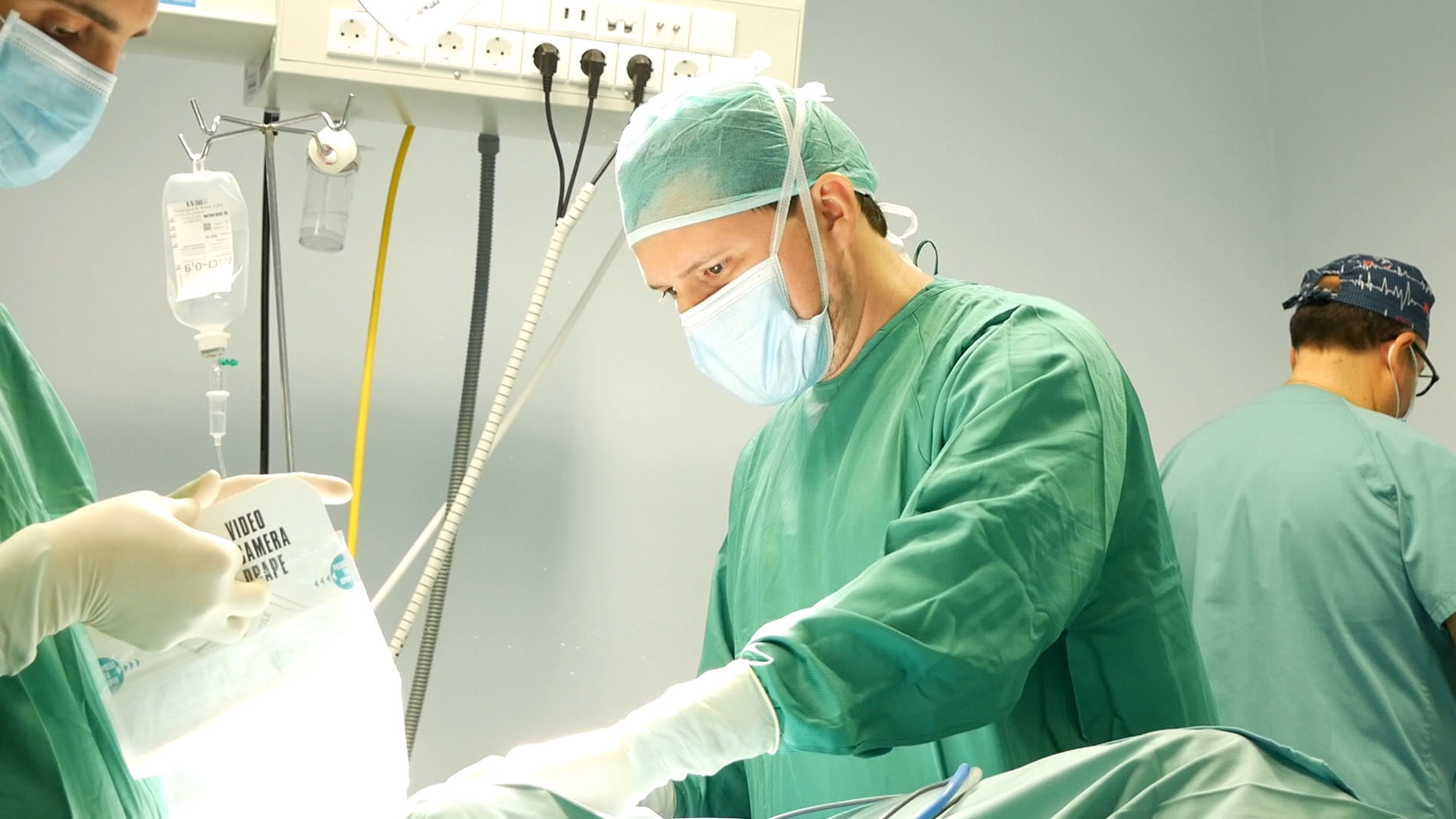
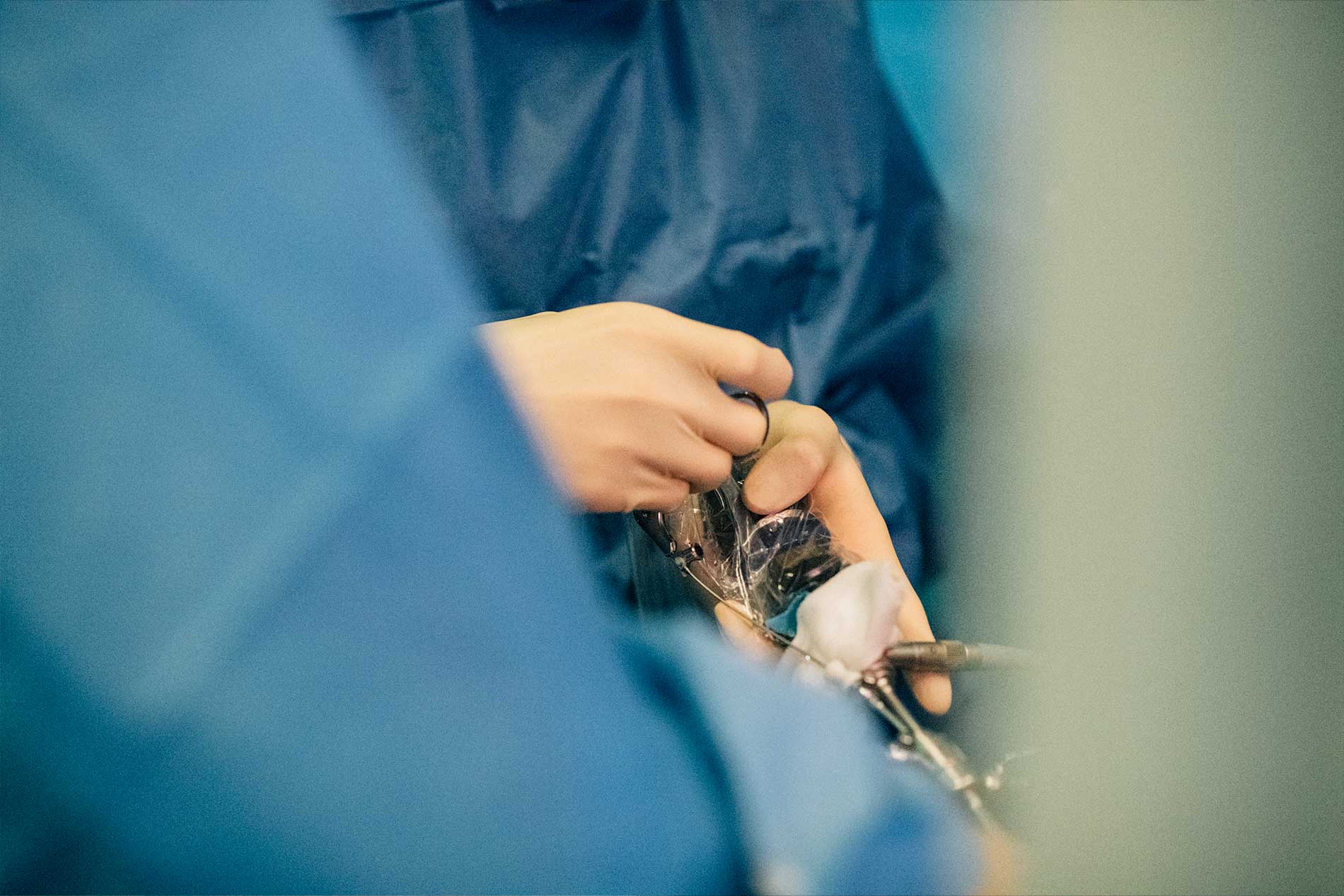
- Laparoscopy for bilateral salpingectomy, aimed at treating the hydrosalpinx.
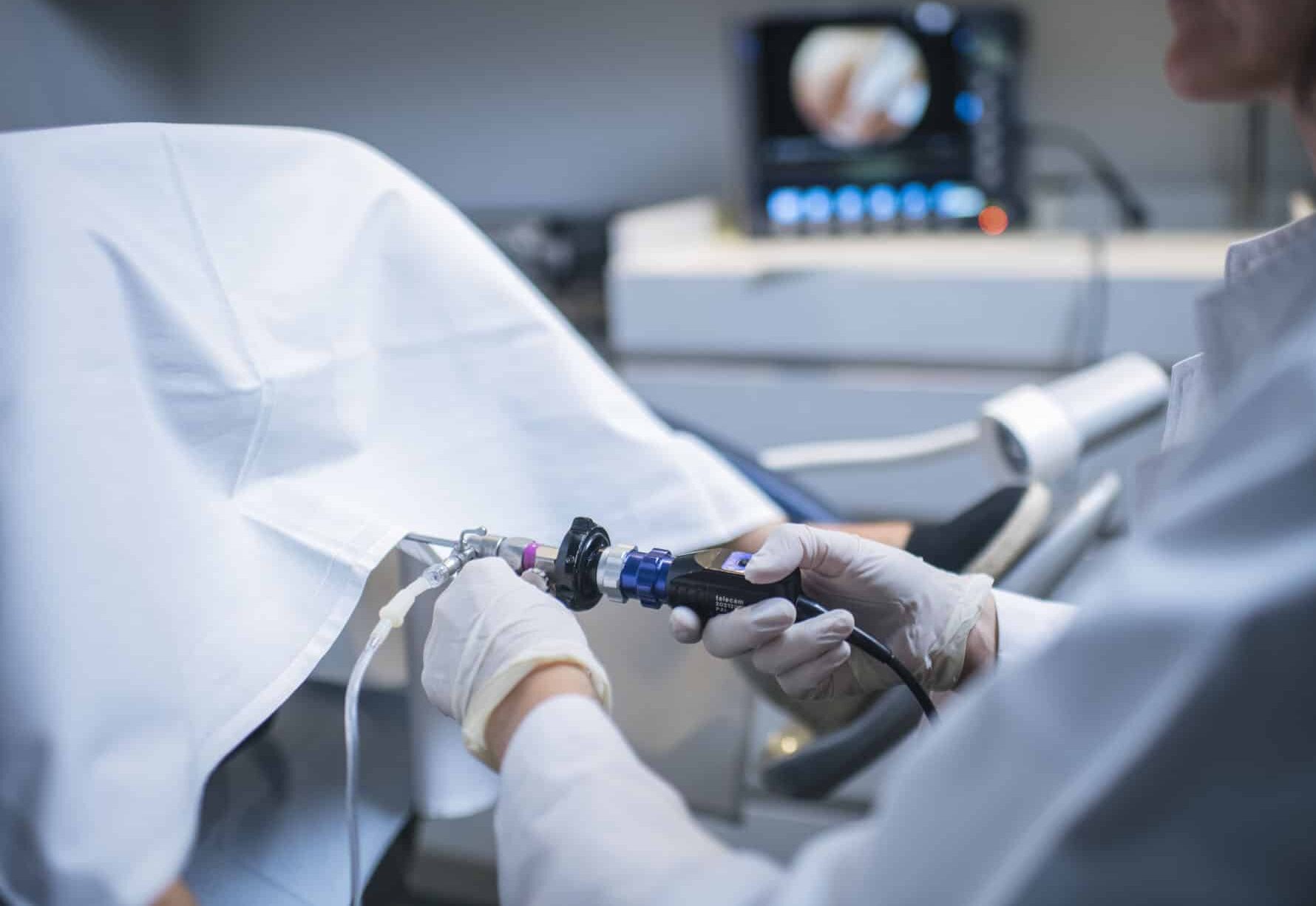
- Surgical hysteroscopy for drainage of the adenomyoma, with administration of PRP during the same surgical procedure.
The aim was to improve the uterine anatomy and eliminate factors that might interfere with embryo implantation.
The histopathological examination of the specimens obtained via salpingectomy confirmed the presence of hydrosalpinx with foci of chronic salpingitis.
3. Uterine preparation
Following completion of the surgical treatment, specific preparation of the uterus and endometrium was carried out with the aim of achieving the best possible conditions prior to embryo transfer.
Subsequently, anti-oestrogenic treatment was administered and embryo transfer was performed in a natural cycle.
Result
The first embryo transfer performed following completion of the therapeutic strategy was successful.
The pregnancy progressed favourably and reached full term without complications.
Conclusion
This case illustrates the complexity that some cases of infertility can reach when endometriosis, adenomyosis, abnormalities of the uterine cavity, tubal pathology and a prolonged history of reproductive failure coincide.
After 14 years of infertility, 19 embryo transfers involving a total of 22 transferred embryos, and multiple previous medical and surgical treatments, a comprehensive anatomical assessment identified the factors that were compromising the patient’s reproductive prospects.
The combination of an accurate diagnosis, personalised surgical planning and a specialised medical approach, tailored to each patient’s specific characteristics, made it possible to optimise uterine conditions and finally achieve a viable pregnancy that was carried to term.
This case demonstrates the importance of treating infertility from a holistic perspective, focusing not only on the embryo but also on the uterus and the conditions that enable implantation and the successful progression of the pregnancy.


