










Surgeries y Uteruses
“Can a caesarean section affect fertility? Full-term pregnancy following the correction of an isthmocele”
Abstract
We present the case of a 38-year-old female patient with secondary infertility following a caesarean section and four unsuccessful embryo transfers. The identification of an isthmocele with profuse mucometra enabled us to re-evaluate the treatment approach through laparoscopic repair. Following the surgery, a successful pregnancy was achieved, culminating in the birth of a full-term infant.
Introduction
Caesarean section is one of the most common surgical procedures in obstetrics. Although most women experience no subsequent complications, in some cases scar formation may result in an isthmocele or uterine scar defect.
This defect can cause symptoms such as intermenstrual spotting or pelvic pain and, in certain patients, affect fertility by altering the intrauterine environment and hindering embryo implantation.
The following case demonstrates how the identification of an isthmocele enabled a change in the diagnostic and therapeutic approach in a patient who had undergone several unsuccessful fertility treatments.
Background
Clinical history
A 38-year-old patient presented at our clinic due to a failure to conceive after three years of trying to become pregnant. Her only relevant medical history included a caesarean section five years previously due to maternal-foetal disproportion.
During this time, she had undergone four embryo transfers, two of which involved genetically and chromosomally normal embryos, all without success.
The investigations carried out showed normal results in all tests: normal embryos obtained in previous stimulation cycles, adequate tubal patency, investigations into implantation failure (genetic, coagulopathies, etc.) and, theoretically, normal uterine anatomy during the first few days of the cycle (early follicular phase).
Clinical assessment
Clinically, the patient reported intermittent, scant intermenstrual spotting that did not occur in every cycle. She had no menstrual or intermenstrual pain. She denied any other symptoms of note. Physical examination revealed no significant abnormalities, a normal and patent cervix, and a difficult transfer test.
Nevertheless, during the consultation examination, a finding emerged that changed the approach to the case. On the day the patient attended the clinic for assessment, a large isthmocele was observed, producing abundant mucometra (intra-cavitary mucus) with a thin residual myometrium, a finding to which little attention had been paid in previous examinations.
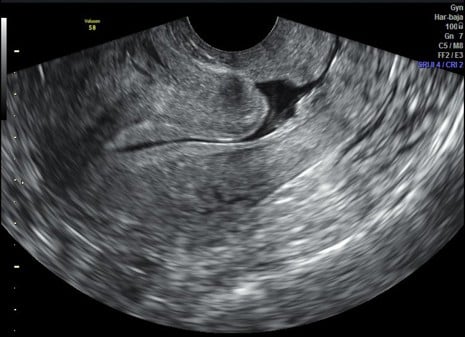
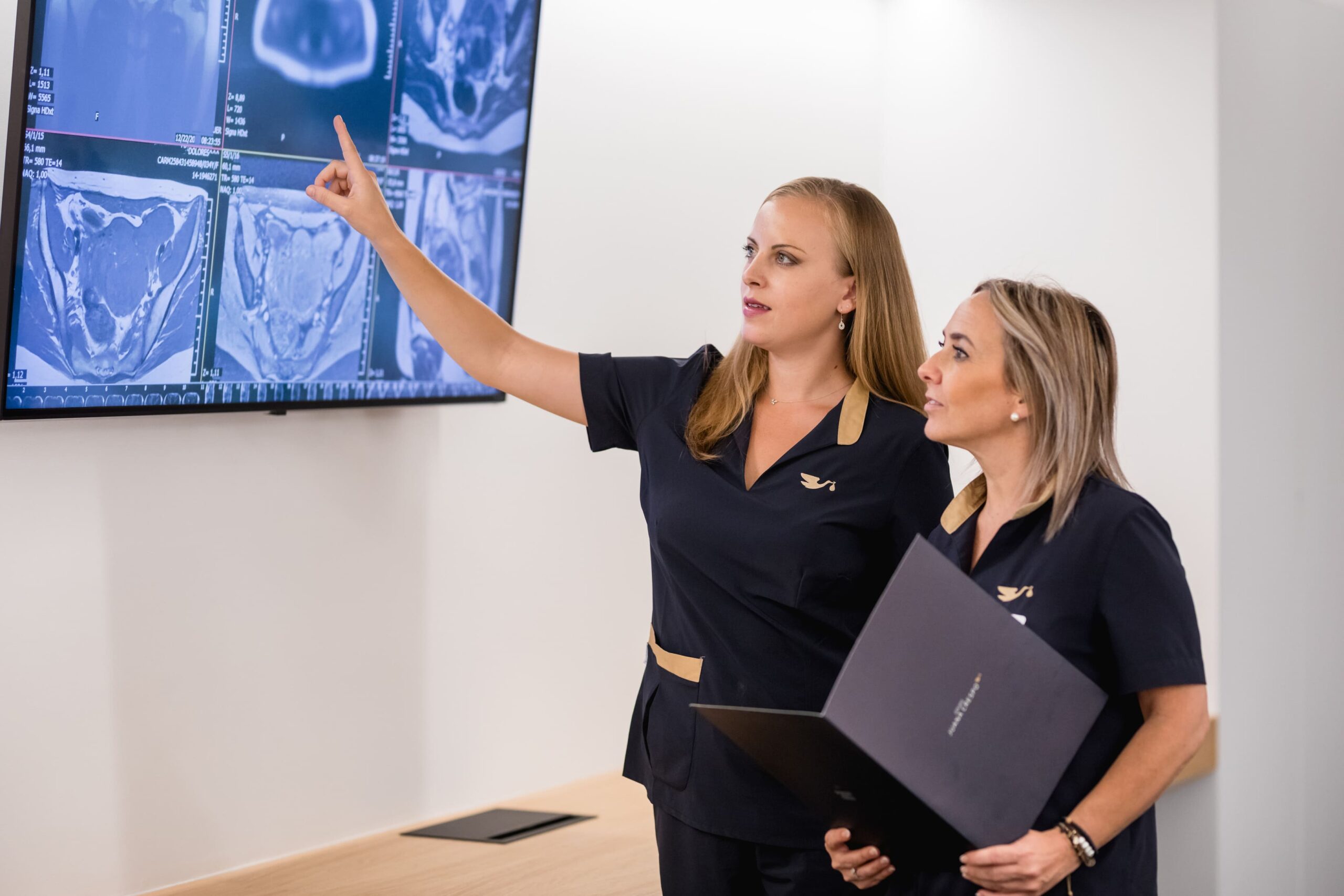
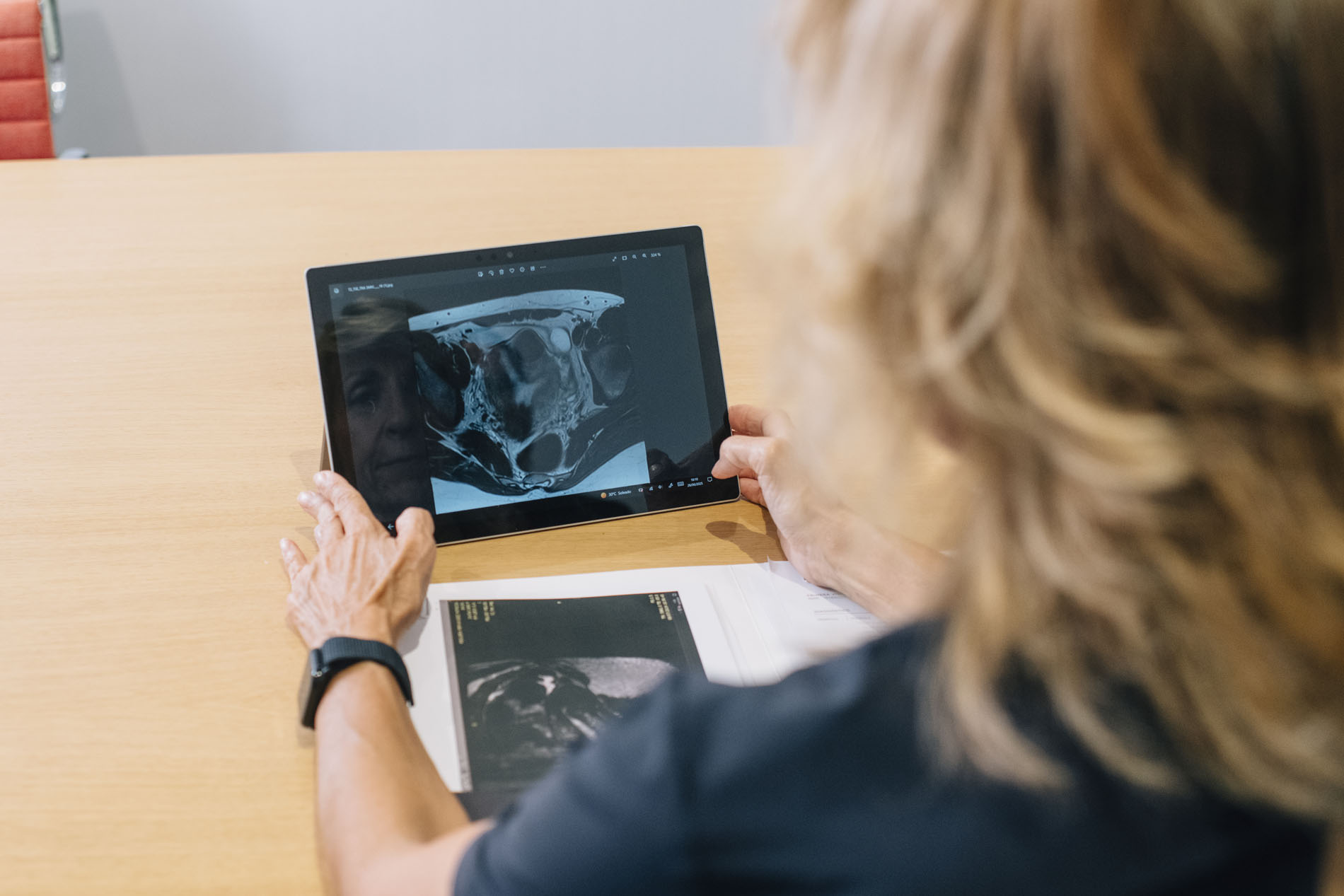
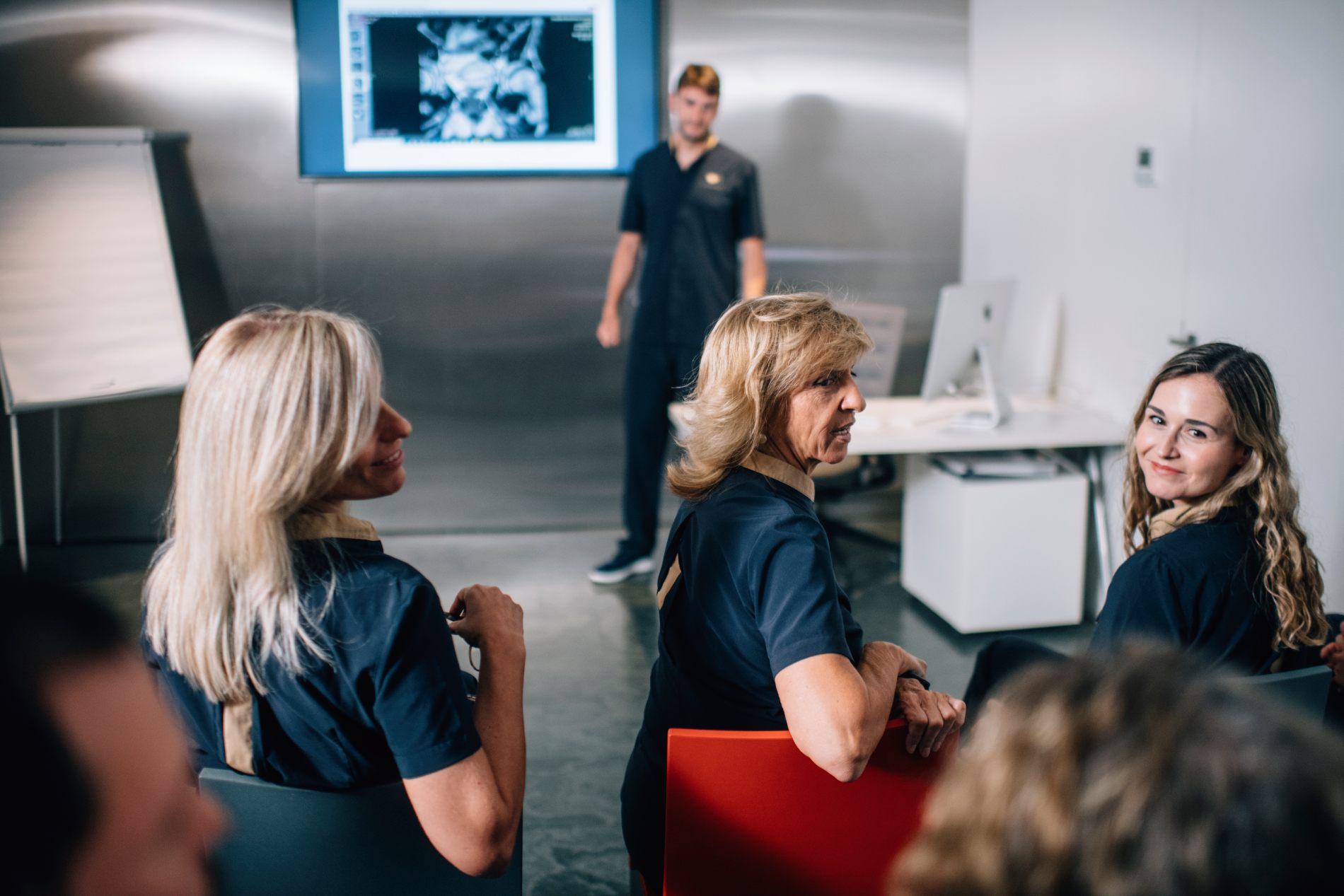
To complete the assessment, a hysterosalpingogram was requested to check tubal patency and an MRI scan to assess the isthmocele and plan a personalised treatment strategy.
Treatment plan
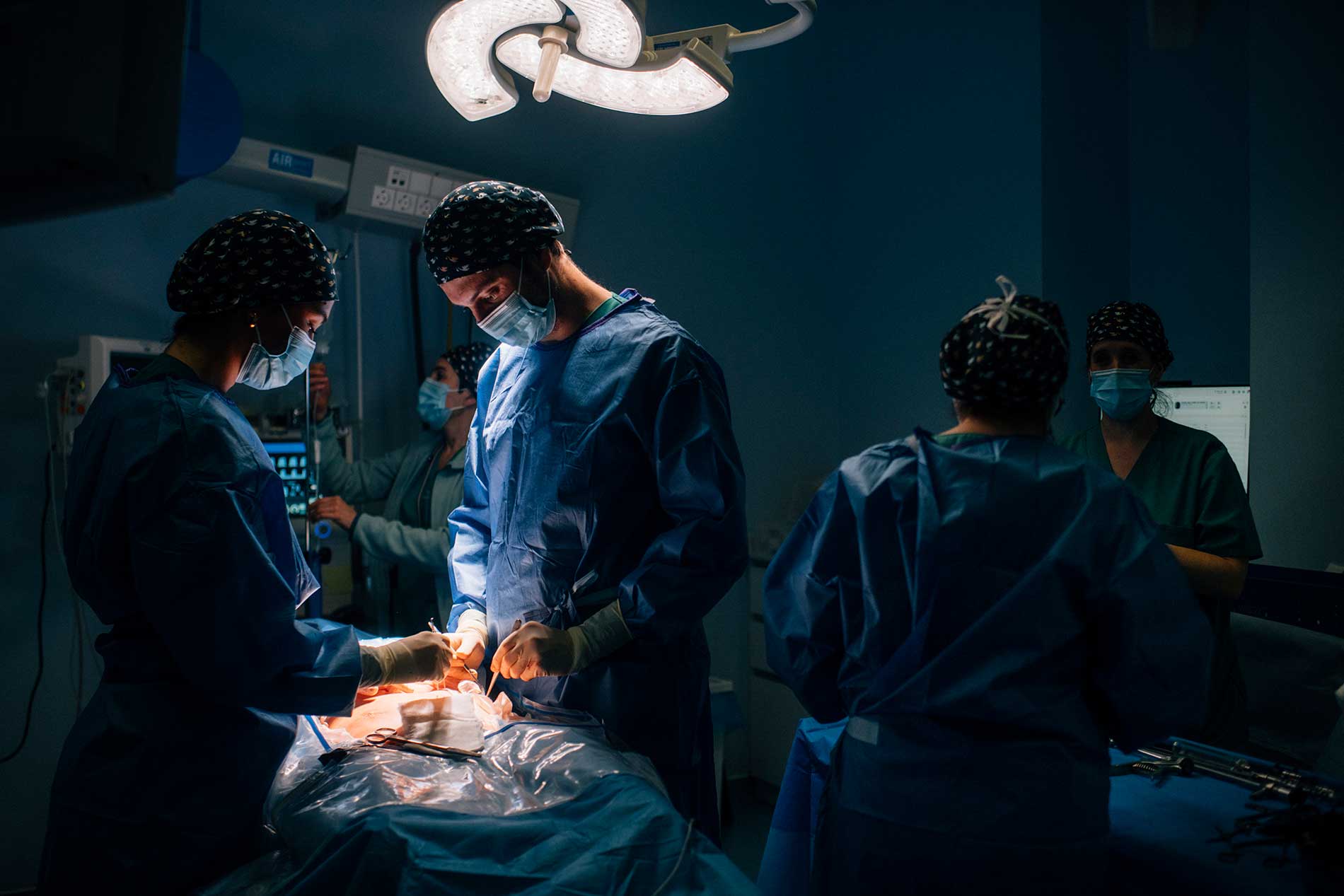
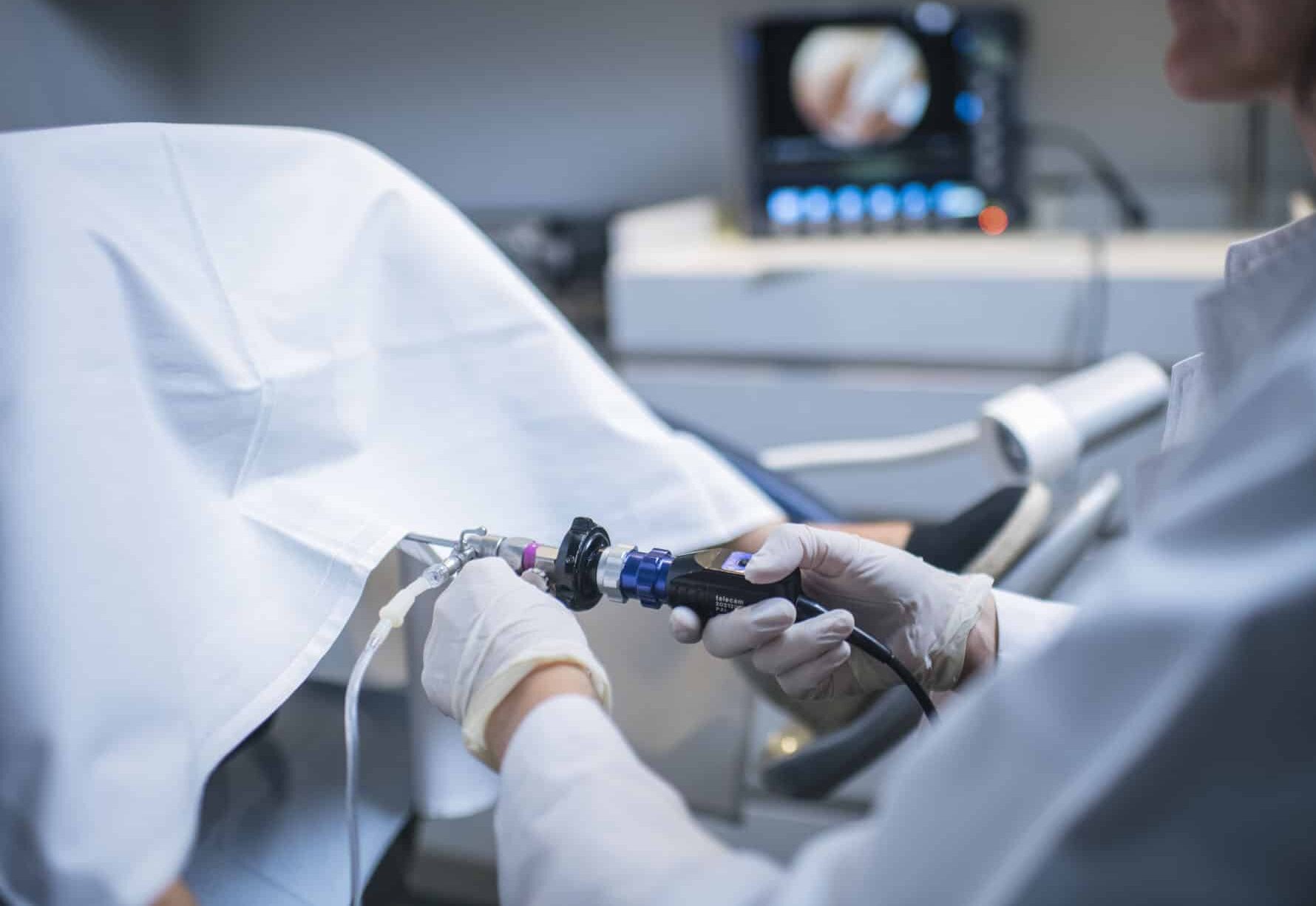
Following the team’s assessment of the ultrasound and MRI scans, it was decided to repair the defect laparoscopically after obtaining genetically tested embryos via pre-implantation genetic testing (PGT).
The defect was repaired and, after a reasonable period of healing, embryo transfer was carried out, resulting in a progressing pregnancy. It is important to note that, following the correction, the uterus ceased to produce mucus and the transfer proceeded without difficulty. Finally, following an uneventful pregnancy, the pregnancy was again brought to term by caesarean section.
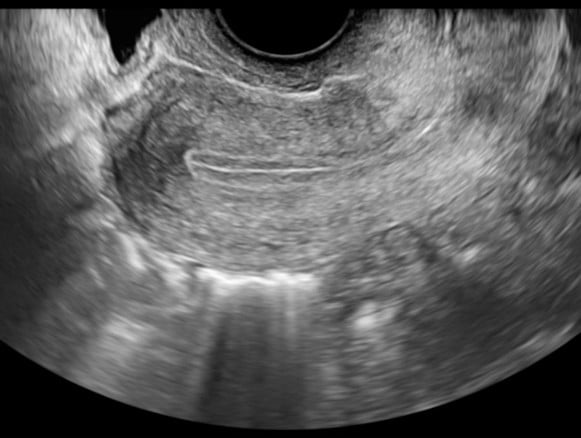
Why can an isthmocele affect fertility?
It is important to note that ALL changes affecting a woman – such as a caesarean section – can alter her reproductive prognosis. Specifically, an abnormal caesarean scar or isthmocele can cause symptoms (such as abnormal pelvic pain and intermenstrual spotting, amongst others) and fertility problems in women through various mechanisms; the most widely studied of these include: All of this results in difficulties with embryo implantation. Repair corrects this problem by restoring the uterine anatomy and function, eliminating the abnormal blood reservoir and creating a more physiological environment.
- Accumulation of menstrual debris in the caesarean section scar.
- Chronic endometrial inflammation due to reflux.
- Alteration in the composition of cervical mucus and the intrauterine environment.
Conclusions
Not all isthmoceles require surgery. Many women have this condition without symptoms and achieve spontaneous pregnancies without difficulty.
However, in patients with secondary infertility, recurrent implantation failure or persistent spotting after menstruation, a detailed assessment of the caesarean section scar is essential.
In appropriately selected cases, repair of the isthmocele may improve the uterine environment and enhance reproductive outcomes.


