









Surgeries
“Full-Term Newborn Following Tubal Occlusion with Tissel in a Patient with Bilateral Hydrosalpinx”

Abstract
We present the case of a 33-year-old female patient who was diagnosed with and treated for necrotizing enterocolitis, requiring multiple surgeries and resulting in retractile abdominal scarring.
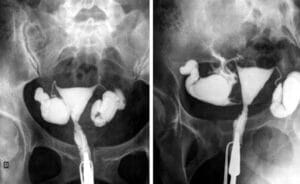
The patient had been diagnosed with bilateral hydrosalpinx, along with a uterus containing fibroids and in retroversion, presenting a high surgical risk for any procedure.
Consequently, the proposed strategy involved a two-stage hysteroscopic procedure: one to correct the arcuate uterus and a second to perform tubal occlusion using the Tissel method.
Minimally invasive surgery made it possible to overcome a complex clinical scenario which, together with egg donation, resulted in a successful pregnancy culminating in the birth of a healthy, full-term newborn.
Background:
The 33-year-old patient had a particularly complex medical history. She was born prematurely at 29 weeks’ gestation and underwent several laparotomies as a result of necrotizing enterocolitis.
These procedures resulted in a significant surgical risk, meaning that any new surgery on the abdominal or pelvic area had to be evaluated with extreme caution and precluded the possibility of performing an oocyte retrieval.
In addition, she had a diagnosed bilateral hydrosalpinx, although the standard surgical approach for this condition was not recommended due to potential complications.
Before coming to our center, she had undergone two cycles of egg donation. In the first cycle, embryonic arrest occurred, and no transfer was performed. In the second cycle, two embryo transfers were performed: the first resulted in a pregnancy that ended in miscarriage, and the second, in which two embryos were transferred, did not result in a pregnancy.
Diagnosis:
Low ovarian reserve, bilateral hydrosalpinx, arcuate uterus with intramural fibroids.
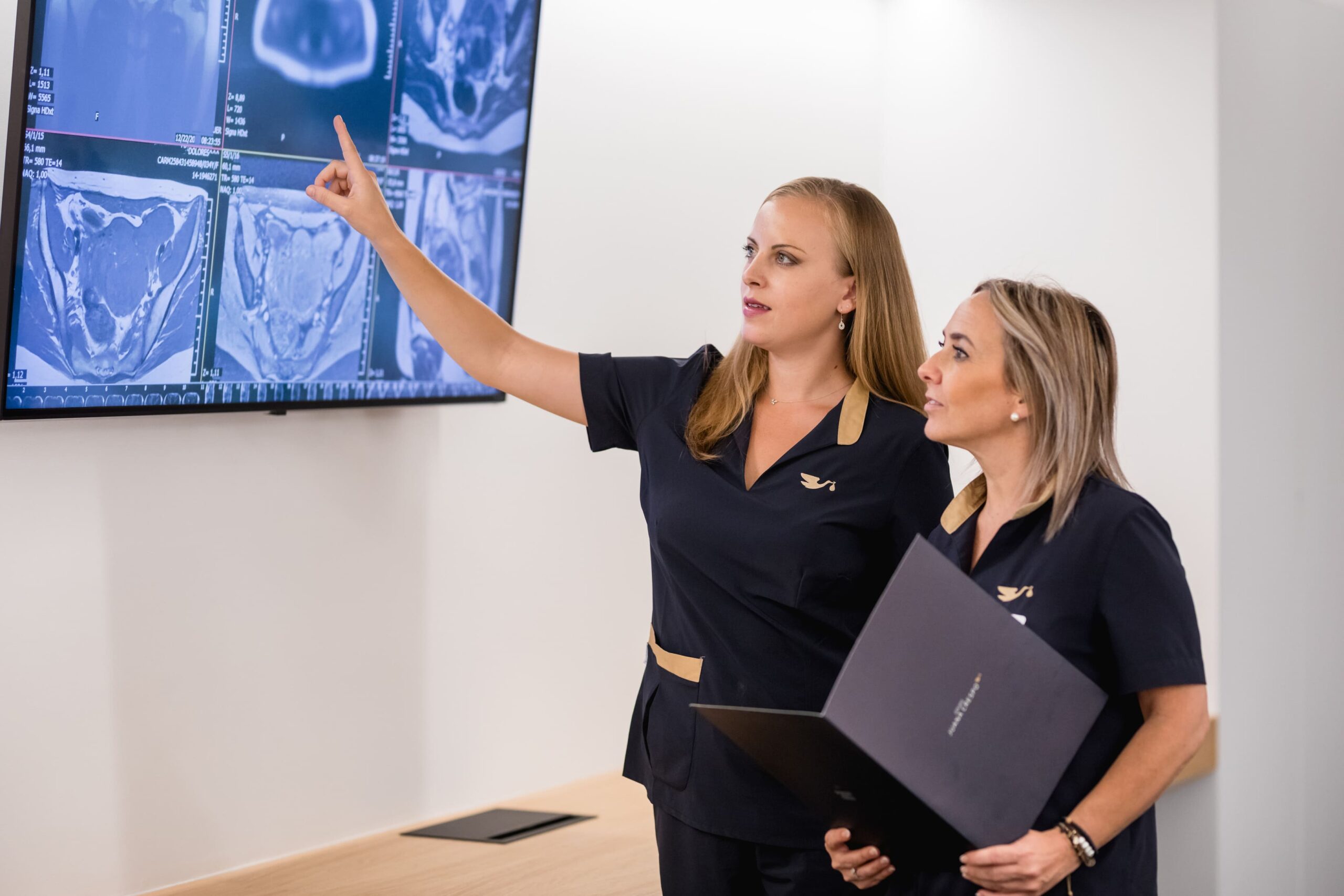
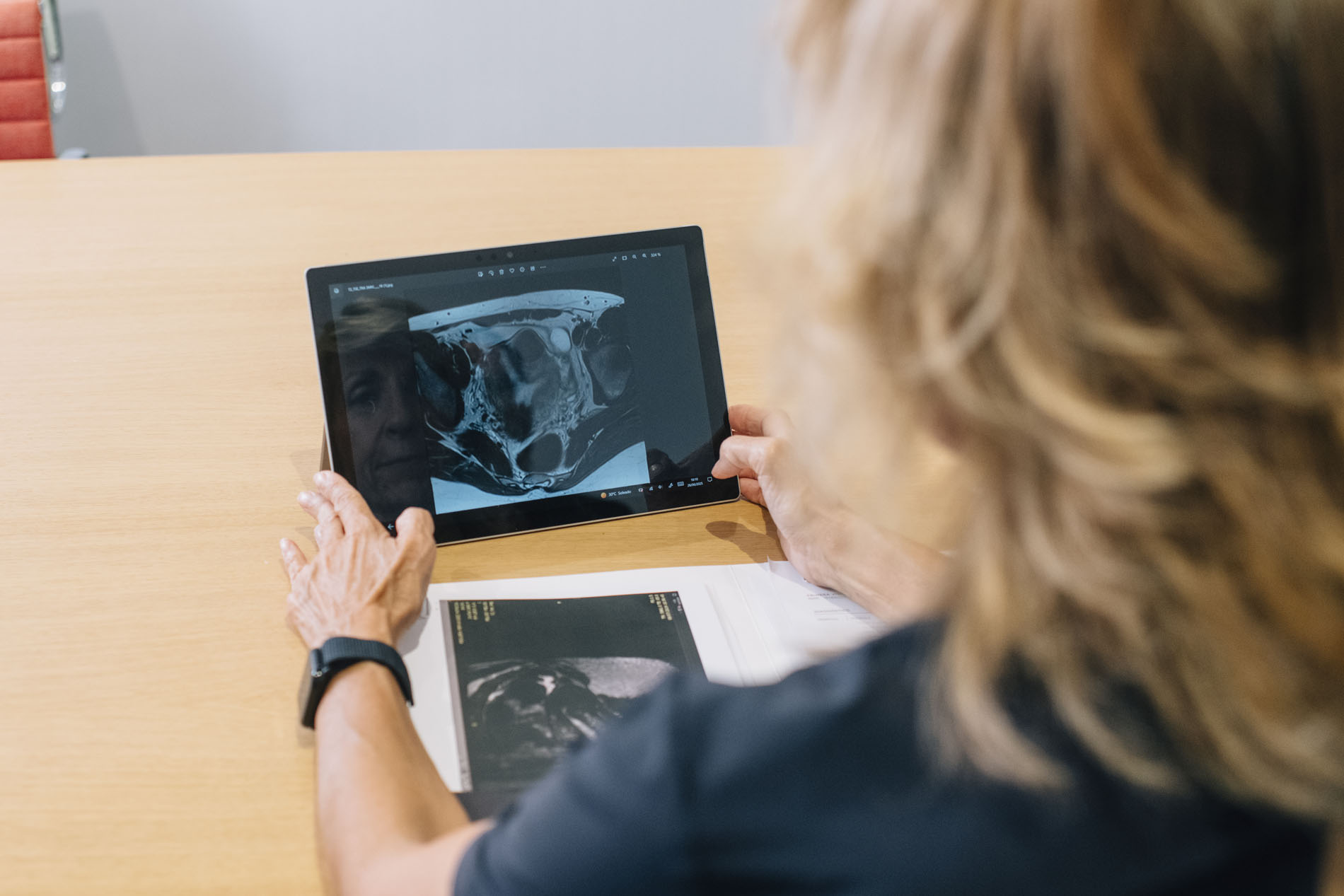
Following an initial visit, she was diagnosed with low ovarian reserve, ovaries that were difficult to access due to previous surgeries, and a high body mass index.
Furthermore, the evaluation confirmed the persistence of bilateral hydrosalpinx and the presence of an arcuate uterus.
It was necessary to correct these conditions; however, the patient’s surgical history made a conventional surgical approach for hydrosalpinx inadvisable.
Treatment Strategy:
- A two-stage hysteroscopic approach to the uterus and fallopian tubes
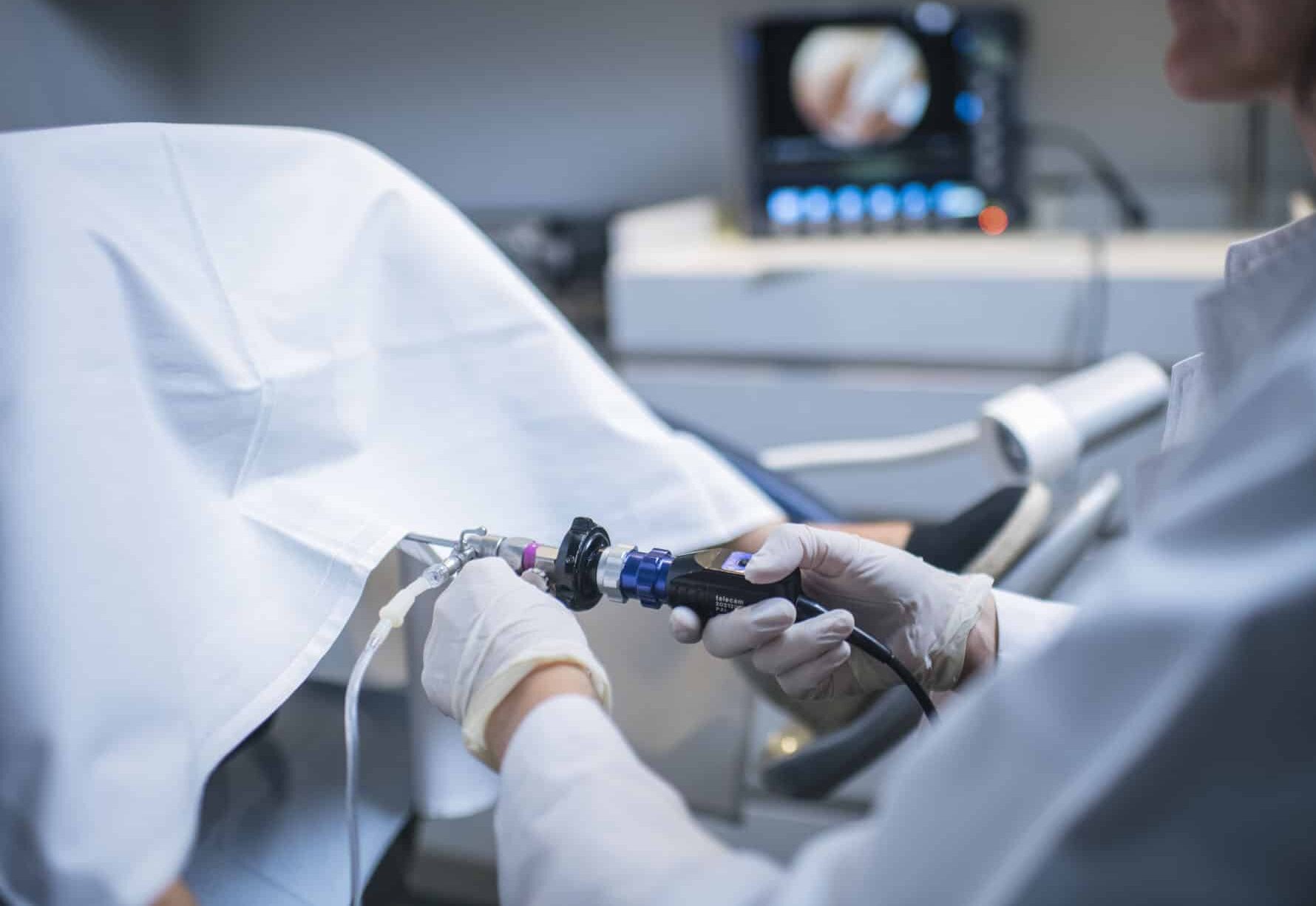
- Surgical hysteroscopy for correction of an arcuate uterus
- Minor hysteroscopy for tubal occlusion using Tissel
- Egg donation treatment with genetic matching
Treatment Plan
Once the strategy was defined for this patient—who, due to her age and personal preferences, had expressed a desire to have more than one child—we began the entire process.
Due to low ovarian reserve, treatment with egg donation was initiated, performing a compatibility match with the partner.
Concurrently, a two-stage surgical treatment plan was developed using hysteroscopy.
In the first procedure, the uterine malformation was corrected to address the arcuate uterus and thus prepare and optimize the anatomy of the uterine cavity for embryo transfer, with the goal of optimizing outcomes.
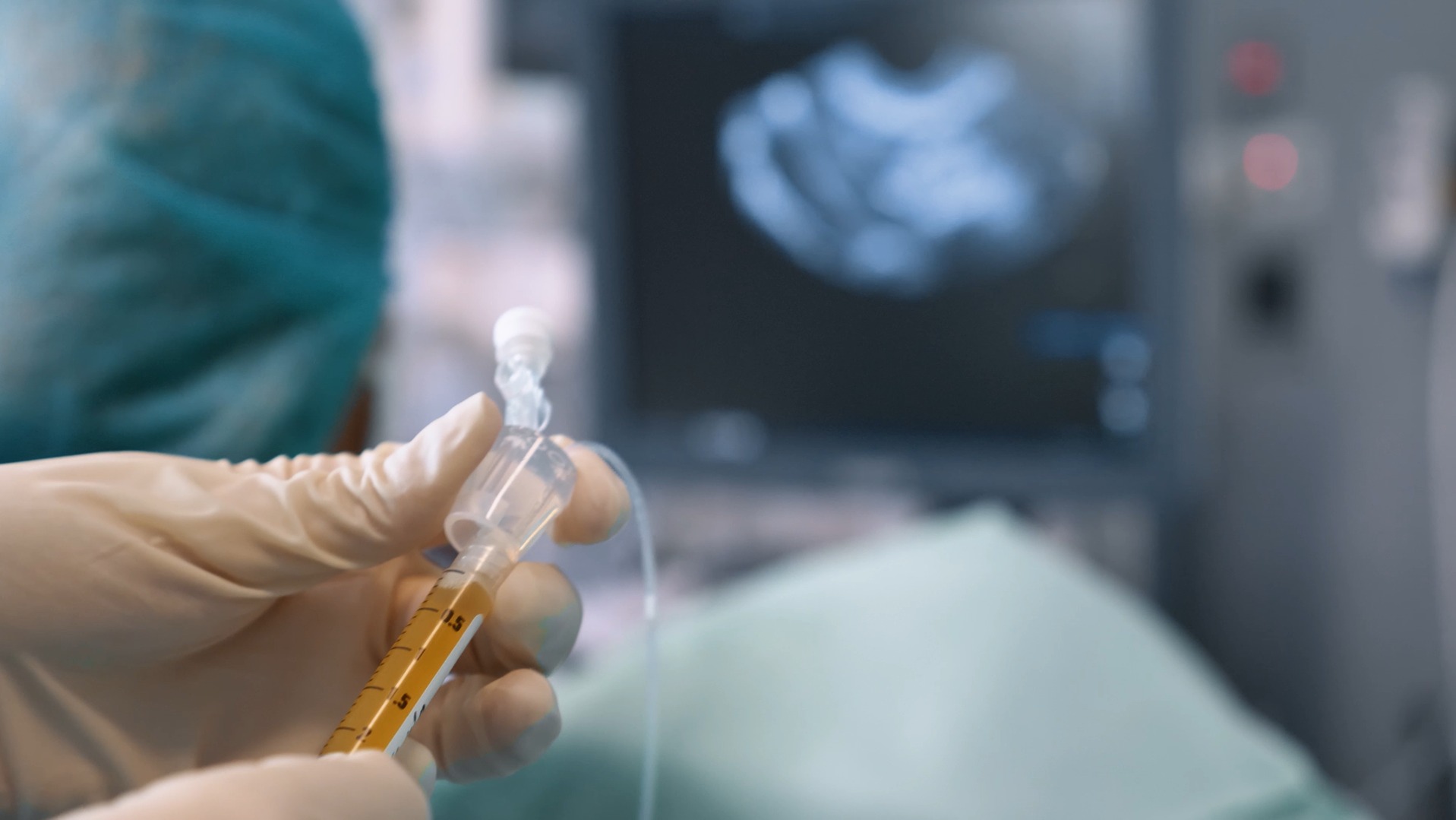
Subsequently, a second procedure was performed to block both tubal ostia—the openings connecting the uterine cavity to the fallopian tubes—using Tissel. This is a biological fibrin adhesive that seals the fallopian tubes from within the uterine cavity and prevents the passage of fluid from the hydrosalpinx.
This technique represents a minimally invasive alternative for patients for whom laparoscopic access poses a high risk or is contraindicated.
Embryo Transfer and Outcome
Following favorable results from the genetic matching between the egg donor and our patient’s partner, the donation proceeded, yielding 12 MII oocytes that, after fertilization, resulted in 8 D5 embryos—that is, 8 blastocysts.
After recovery from the surgical procedure, endometrial preparation was initiated in a natural cycle with a single-embryo transfer (SET), resulting in a progressing pregnancy.
The pregnancy progressed favorably until week 38, at which point a scheduled cesarean section was performed, resulting in the birth of a healthy, full-term newborn.
Conclusion
This case highlights the importance oftailoring reproductive treatment when clinical circumstances prevent the use of conventional strategies.
Hysteroscopic tubal occlusion using biological adhesives is a therapeutic option that can eliminate the detrimental effect of hydrosalpinx without the need for abdominal surgery, thereby improving the chances of implantation and achieving a successful pregnancy even in patients with extremely complex medical histories.
This case illustrates how the combination of personalized planning, minimally invasive techniques, and a multidisciplinary approach can offer reproductive solutions where other strategies have failed.


